

#ParaguayElections: Yren Rotela is the first trans candidate
In a pre-election atmosphere tainted by hate speech from ultraconservative parties, it's difficult to find openly gay, lesbian, trans, or bisexual candidates on the party lists for the general elections this Sunday, April 22, in Paraguay. But there are exceptions, such as Yren Rotela, the first trans woman to be a candidate in…

Share

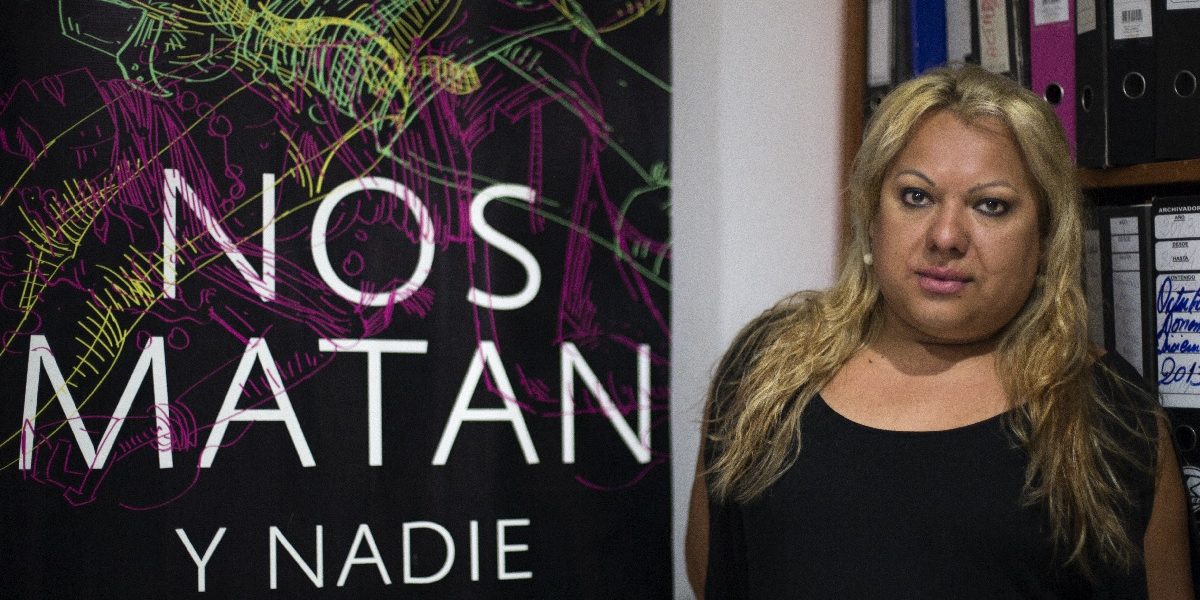
In a pre-election atmosphere tainted by hate speech from ultraconservative parties, it's difficult to find openly gay, lesbian, trans, or bisexual candidates on the party lists for the general elections this Sunday, April 22, in Paraguay. But there are exceptions, such as Yren Rotela, the first trans woman to be a candidate in an election in Paraguay. She is running as a member of the Senate list for the feminist party Kuña Pyrenda. By María Sanz, from Asunción. Photo: Mariluz Martín. Trans activist Yren Rotela, a human rights defender and leader of the organization Panambí (of transgender, transvestite, and transsexual people), is the first trans woman to run as a candidate in an election in Paraguay. Rotela appears as the third alternate on the Senate list presented by the feminist, environmentalist, and socialist party Kuña Pyrenda (“women's platform” in Guaraní). “One of the struggles we (trans people) face is the recognition of who we are, and to advocate from a political space for the real inclusion we need. We want to assert our rights and demonstrate our capacity to serve in public institutions. I consider myself highly capable of holding a seat in Congress and legislating for all the Paraguayan people, without distinction based on their political affiliations. That is why I ran for office, and I decided to do so through a women's political movement, where respect for the diversity of people is evident,” she told Presentes.
Recognizing gender identity
For Rotela, the 72 policy proposals that Kuña Pyrenda is presenting to the Senate “are all important.” However, she would like to place special emphasis on what it means to “recognize the gender identity of trans people, access to economic, social, cultural, civil, and political rights for the entire LGBTI community, and the approval of a law against all forms of discrimination“All of these proposals are included in the feminist training program. Rotela acknowledges that, Initially, he wanted to run as the head of the list for the Chamber of Deputies for the Central Department (bordering Asunción). However, he admitted that “it didn’t happen because the parties didn’t agree with this proposal,” and that in the larger parties “there’s no room for trans people.” Despite this, he asserts that gay men and lesbian women appear on the lists of all parties, including the two traditional, conservative-leaning ones: the Authentic Radical Liberal Party (PLRA) and the National Republican Association (ANR), known as the Colorado Party.In the closet
“There are LGBTI people in all parties, but they don't come out or acknowledge it. They lead a double life. There are no visible gay or lesbian people on these lists because there is a lot of prejudice in the traditional parties. And there also seems to be a fear on the left.“Because this participation isn’t happening in a clear and visible way either. That’s why we want to continue working and form a political movement of openly LGBTQ+ people to participate in the upcoming municipal elections,” Rotela stated. The activist also acknowledged the difficulties trans people face when participating in elections, not only as candidates but also as voters. She explained that one of the barriers is the lack of respect for their gender identity that trans people encounter when going to a polling station and having to use a document that lists a gender or name with which they do not identify. Rotela herself appears on the candidate registration list. Superior Electoral Court as a male person, and with her legal name, instead of the name by which she has been known for years. “I feel outraged, but this also means we have to keep working so that in the future anyone will recognize me by my name and for who I truly am. We have to recognize people with laws, but we also have to work to eliminate the machismo culture that exists in Paraguay, and promote respect for names, identity, the person, and life,” Rotela stated. In this regard, one of the demands is to promote a gender identity law, which does not exist in Paraguay. However, Rotela noted that the only mention of LGBTQ+ rights that entered the public debate of most political parties was the reference to civil unions between people of the same sex or marriage equality, and it served to allow the candidates to express their opposition in almost all cases."We need education, health, justice, housing"
“Who told politicians that the only right LGBTQ+ people have is civil unions or same-sex marriage? Why is their debate limited to just one right, when we need to keep working toward real inclusion? We need education, healthcare, justice, housing, and then the other needs will come. But if the very least we have to respect is people's lives, and that's not valued, then we're in serious trouble,” said Rotela, referring to the 59 transgender people murdered in Paraguay since the end of the dictatorship in 1989, crimes that remain unsolved. Regarding the outcome of the upcoming elections, Rotela only hopes “that people don't vote out of hatred” against LGBTQ+ people. “I can’t imagine what might happen on April 22nd. Most likely, candidates from traditional parties with a clear stance against the LGBTQ+ population will win, and that means a much bigger fight for us. But if we were able to fight against a dictatorship; if we keep fighting, because LGBTQ+ people don’t know what it means to live in a democracy…they won’t stop us. Human rights are not negotiable: they are to be respected. And that is what we will continue to demand from the party that comes to power,” he reaffirmed.Share
We are present
We are committed to journalism that delves into the territories and conducts thorough investigations, combined with new technologies and narrative formats. We want the protagonists, their stories, and their struggles to be present.
SUPPORT US

FOLLOW US
We are present
This and other stories are not usually on the media agenda. Together we can bring them to light.