

She was harassed and fired for being trans: she won the lawsuit
Natalia endured the harassment until one day she went to work and was refused entry. She then contacted a lawyer and filed a lawsuit for wrongful termination, which she won at the beginning of the month: the company has to compensate her.


Share

By Ana Fornaro
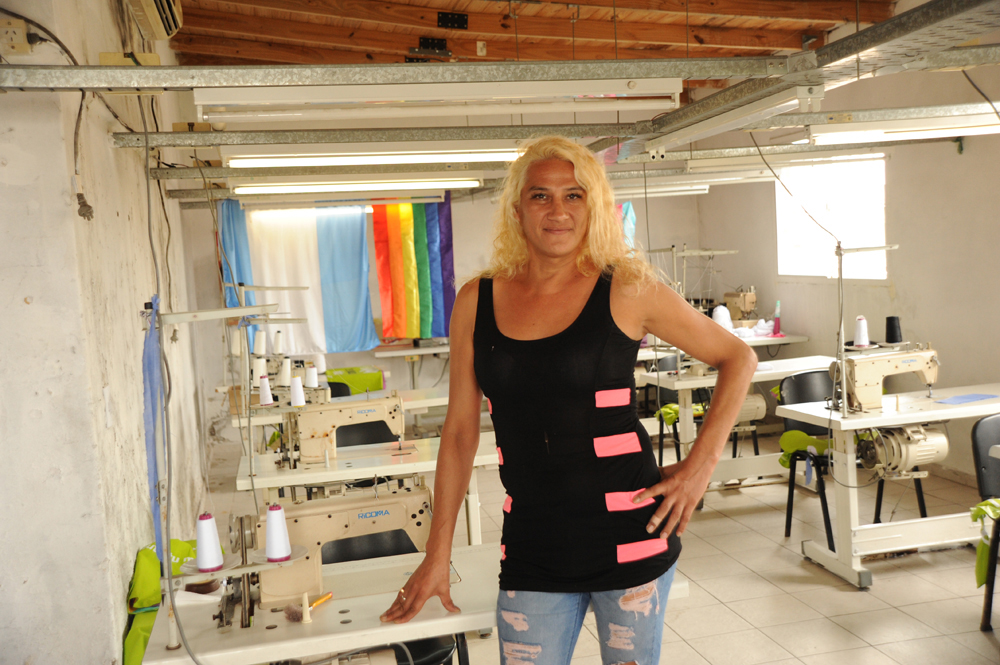
Natalia Romero is a radio announcer, 32 years old, and transgender. In 2014, she got a job at a security company, where she was hired to monitor cameras. Thanks to the Gender Identity Law, Natalia already had her new ID and was about to undergo plastic surgery, something covered by that law. Up until that point, no one at her job had ever mentioned whether she was transgender or not. But an email was leaked, and a nightmare of harassment and mistreatment began that lasted six months and ended with her being fired.
The email was to process her medical leave: it detailed that the company was legally obligated to grant it . Neither her bosses nor her colleagues liked this. This triggered transphobic messages, photos of Lizie Tagliani plastered on her monitor, and shift changes that always disadvantaged her.
“All that harassment started the day after that email was leaked. It’s a super sexist and abusive company, and I also know that they ordered my colleagues to do those things. Later, my boss told me that if he had known I was trans, he wouldn’t have hired me,” Natalia told Presentes.
They wanted her to leave and thus relinquish her rights as an employee. Natalia resisted until one day she went to work and they wouldn't even let her in. She then contacted a lawyer and filed a lawsuit for wrongful termination, which she won at the beginning of the month: the company has to compensate her.
A legal loophole
Her lawyer, Ezequiel Rabines, an activist with the Frente Diversia (Diversity Front) of La Cámpora, told Presentes that this case exposed a legal loophole. Although they won, the damages could not be quantified because the Comprehensive Law for the Protection of Women does not address this specific type of moral damage: that of being a trans woman. “We had to draw an analogy to that law. In this patriarchal justice system, it's very difficult to put into words that she was fired for being trans. We need a law that protects dissident identities: that if you are fired for being diverse, something can be done about it,” he said.
Natalia is one of the few trans people with an education who have entered the formal job market. According to a survey published in the book "The Butterfly Revolution," 98% of trans people in Buenos Aires are involved in prostitution or are sex workers.
“I am privileged, both for having worked my whole life and for having won this lawsuit. That's why it's important to make public what happened to me, because it highlights what happens to us, too, when we get certain jobs,” Natalia added.
We are present
We are committed to journalism that delves into the territories and conducts thorough investigations, combined with new technologies and narrative formats. We want the protagonists, their stories, and their struggles to be present.
SUPPORT US

FOLLOW US
Related notes

We are present
This and other stories are not usually on the media agenda. Together we can bring them to light.