

Brazil: Trans people will be able to change their name without judicial authorization
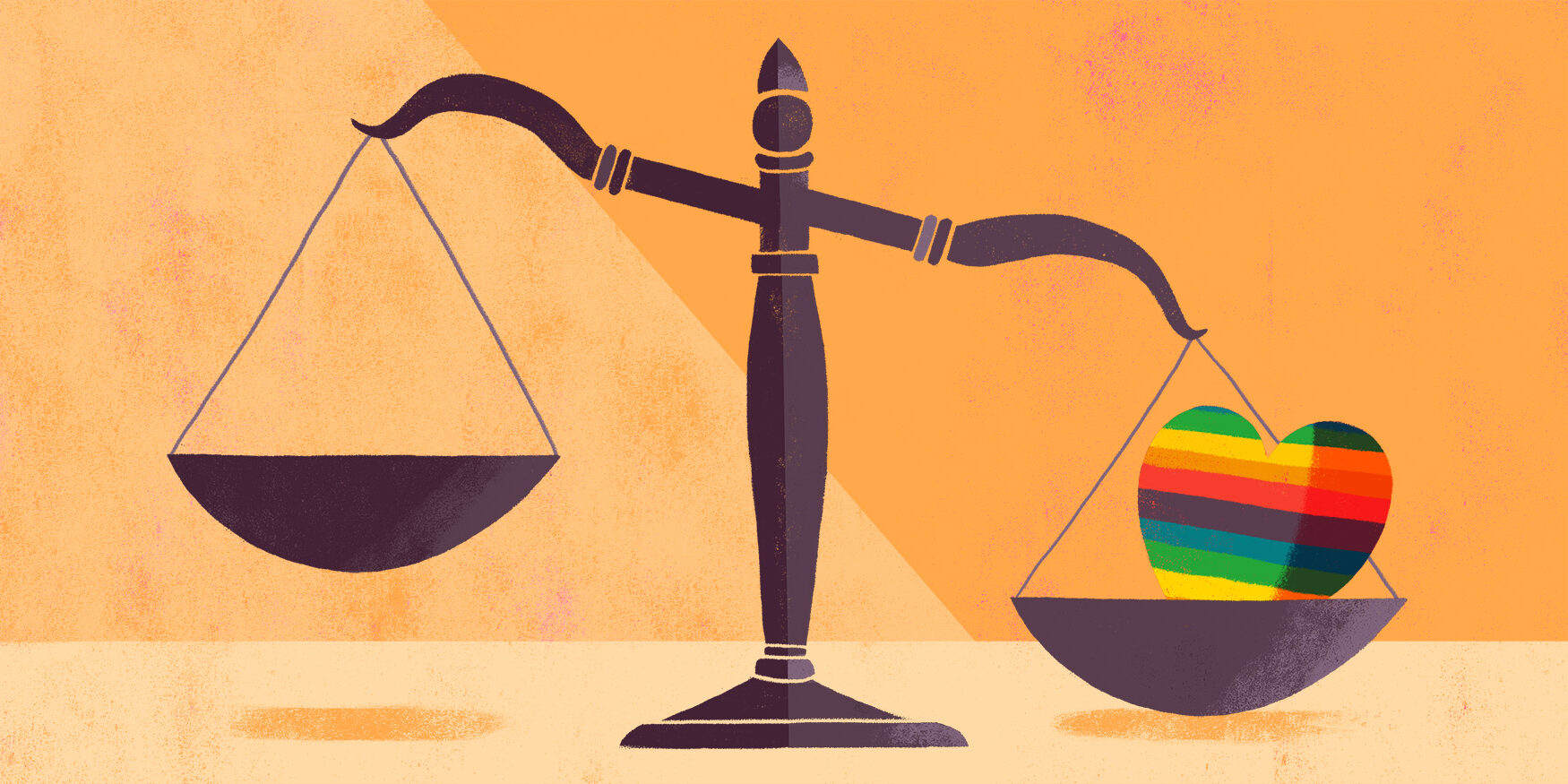
Illustration: Florencia Cappella for Presentes. Brazil's Supreme Federal Court ruled yesterday in favor of transgender people changing their name in the Civil Registry. They do not need to have undergone gender reassignment surgery or have judicial authorization, according to the court's website. “We have…

Share

Illustration: Florencia Cappella for Presentes. Brazil's Supreme Federal Court ruled yesterday that transgender people can legally change their name in the Civil Registry. They do not need to have undergone gender reassignment surgery or have judicial authorization, according to the Court 's website. "We have the right to be different in our plurality and our way of being," said Court President Cármen Lúcia. The decision was made through Direct Action of Unconstitutionality (ADI) 427. Those who voted in favor, in the vote that began on Wednesday, February 28, were Justices Marco Aurélio Mello (the rapporteur for the action), Alexandre de Moraes, Edson Fachin, Luis Roberto Barroso, Rosa Weber, and Luiz Fux.
[READ ALSO: Brazil allows students to use their self-identified name in schools]
Yesterday, Ministers Gilmar Mendes, Ricardo Lewandowski, Celso de Mello, and Carmen Lúcia joined the group. Marco Aurélio Mello said that, in his opinion, the requirements should be: being over 21 years old and having a medical diagnosis from a multidisciplinary team, after two years of joint support.[READ ALSO: A documentary about the transition of Laerte, Brazil's most famous cartoonist]
For his part, Minister Roberto Barroso argued that name changes in the civil registry can be made without judicial authorization. This opinion was shared by most of the other judges. “Gender identity is not proven,” he said, citing the ruling of the Inter-American Court of Human Rights (IACHR).Share
We are present
We are committed to journalism that delves into the territories and conducts thorough investigations, combined with new technologies and narrative formats. We want the protagonists, their stories, and their struggles to be present.
SUPPORT US

FOLLOW US
Related notes
We are present
This and other stories are not usually on the media agenda. Together we can bring them to light.