

Chile will have the first trans mausoleum in Latin America
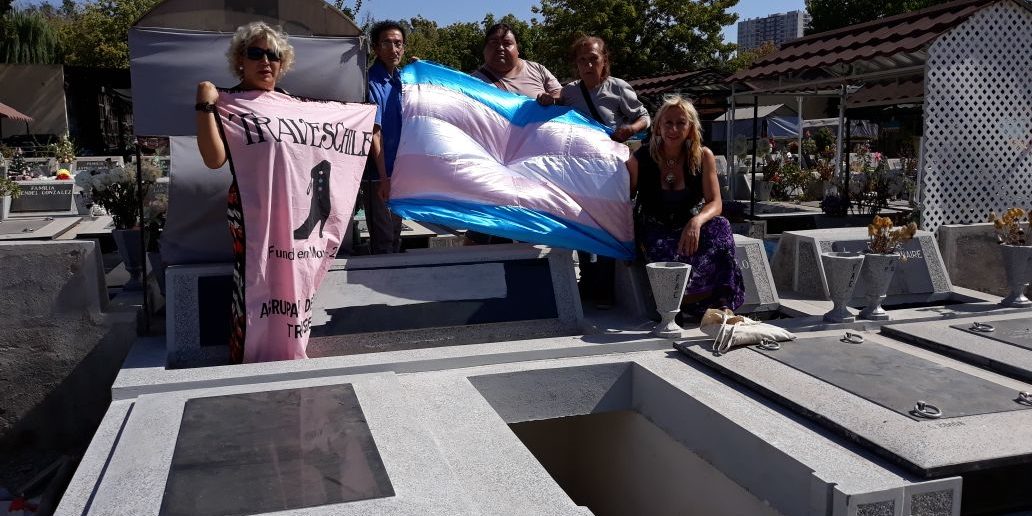
It will be inaugurated on March 31st at the General Cemetery in Santiago, Chile. It is an initiative of TravesChile and the International Trans Fund, which focuses on transgender people living in extreme poverty and without family support.

Share

By Víctor Hugo Robles, from Santiago, Chile
With the death of Paloma , a 74-year-old trans woman who was allegedly murdered, the vulnerability of trans people in Chile, both in life and after death, was once again laid bare. Paloma, who had no family or resources, had to be buried in a temporary grave. Thinking of all the Palomas in Santiago, Chile, a project was created that will be unveiled on March 31st: the first trans mausoleum in Latin America.
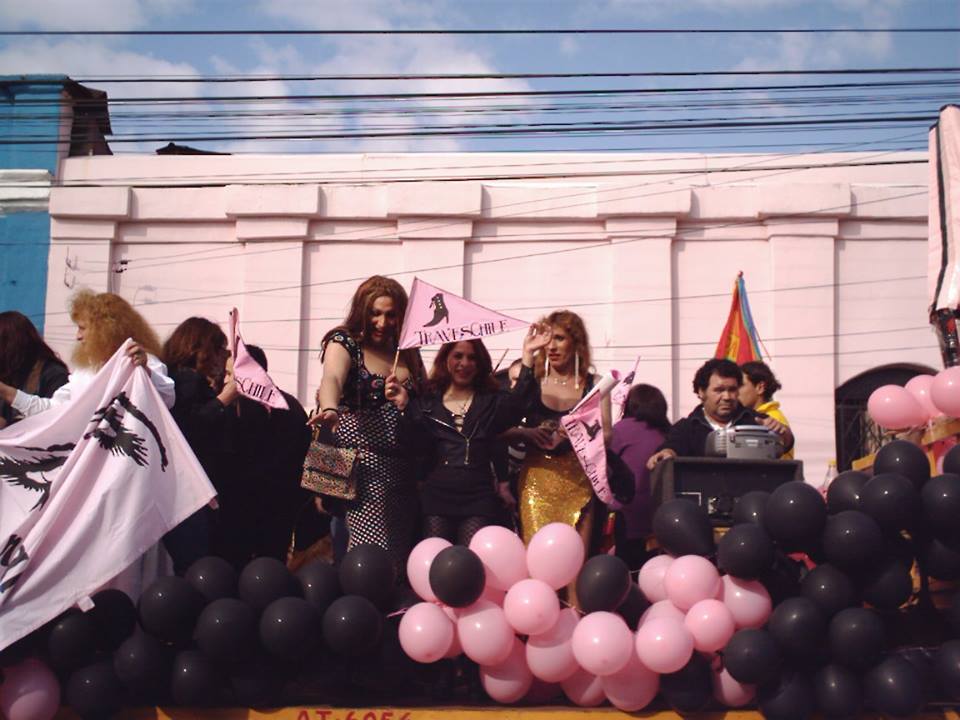
The initiative came from TravesChile, an emblematic organization that has been working with the trans community since the 1990s, and received support from the International Trans Fund.
[READ ALSO: Chile: Paloma, a historic trans woman, has died: it is alleged that she was murdered]
"The oldest, the forgotten ones"
“The bodies of our trans sisters are sometimes held in morgues for months because their immediate family members do not claim them. Our community has had to rebuild its emotional relationships among its own peers, with trans people becoming their family,” Katty Fontey, president of TravesChile, told Presentes.
That is why the work that TravesChile does is especially directed towards the most excluded and forgotten transvestite community: "older adult trans women, like Paloma," she says.
Once the mausoleum is inaugurated, Paloma will be moved there. “It’s a shame we couldn’t say goodbye to Paloma at the trans mausoleum; we hope to do so soon,” says Silvia Parada, founder and current advisor of the transgender group.
“Dignified death. That’s the essence of this initiative by our Chilean trans sisters,” activist and anthropologist Amaranta Gómez Regalado, a member of the International Trans Fund, told Presentes. She added that the TravesChile project stood out among all the proposals “because it highlights the basic needs of our communities, with poor trans people being the most vulnerable. The traditional responses, workshops, and talks, while important, are no longer enough. We also need to address the dignity of our sisters in death.”
 [READ ALSO: This is how the first polyclinic for trans people in Santiago, Chile works]
“Our dream was to have a dignified place to bury our sisters who are homeless, without family, without resources, the poorest of them all. A place that isn't a mass grave, which is the final destination for trans women in Chile,” says Silvia Parada. She adds, “I always had faith because this project is urgent and necessary.”
“The trans community deserves to regain respect”
Upon receiving the news from the International Trans Fund, the members of TravesChile began to realize their long-awaited project by purchasing a plot of land in the General Cemetery. There, 10 trans people can be buried free of charge and with dignity. There will also be space for reduced-size remains.
The work to prepare the mausoleum is well underway and the initiative has been praised by the LGBTI community, especially by trans groups.
Sandy Iturra, a trans activist from Quintay, Valparaíso Region, is “very proud of everything our leaders at TravesChile are doing” and adds that “we need a shelter and a soup kitchen for our community.”
[READ ALSO: Chile: Gendarmerie denounces torture of lesbians and trans people before the UN]
For her part, Evelyn Silva, president of the Selenna Foundation, reflects on the importance of acknowledging past struggles, stating: “The trans community deserves, at least in death, to recover the respect that no one grants them in life. Trans adults, especially women, have been the ones who opened the possibility that trans children have today to move toward their gender transition at an early age.” She adds: “A dignified death is a basic right for trans people amidst so much social misery from which we have been unable to save them, when they, the adult trans women, the pioneers, were the ones who gave us the push toward freedom.”
“Even in death we are denied”
Amaranta Gómez Regalado valued the existence of the International Trans Fund and the high participation in its first call in 2017, telling Presentes that “Latin America was the region with the highest participation in the presentation of projects, demonstrating the positive articulation of collectives and the need for financing for initiatives that benefit our communities in their territories.”
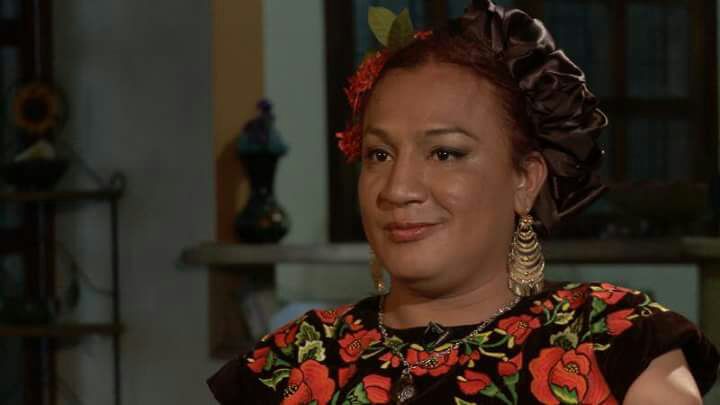
Amaranta Gómez Regalado
The Zapotec trans activist will be present at the mausoleum's inauguration. She will also participate in a meeting with the Chilean trans community and a university panel discussion on the present and future of trans public policies in Latin America and the Caribbean.
[READ ALSO: The muxes, a millennia-old transgender identity]
Gómez Regalado is convinced of the impact the mausoleum will have: “This initiative shows us that our dignity should not only be demanded in life, but also in death because it is precisely in death that we are denied our name, dressed as men, hidden from our female companions, and denied the right to our identity. Even in death, we continue to be denied it.”
We are present
We are committed to journalism that delves into the territories and conducts thorough investigations, combined with new technologies and narrative formats. We want the protagonists, their stories, and their struggles to be present.
SUPPORT US

FOLLOW US
Related notes

We are present
This and other stories are not usually on the media agenda. Together we can bring them to light.