
 Apoyanos
Mía Fedra, la primera tenista trans: “Me discriminaron más en la escuela que en el tenis”
En la adolescencia dejó una posible carrera profesional en el tenis para iniciar su transición. Hace unos años decidió volver a jugar y ya está en el cuarto lugar del ranking de la Asociación Argentina de Tenis en su categoría. Ahora quiere competir en el mundo.
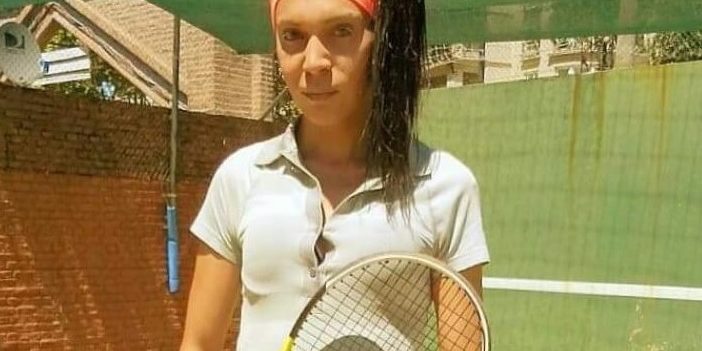

Por Paula Bistagnino Cuando Mía Fedra empezó a jugar al tenis en el club Village de Adrogué, a los 8 años, la Ley de Identidad de Género no era ni un proyecto. Empezó a competir, le iba muy bien y tenía futuro en el profesionalismo. Pero a los 16 años decidió iniciar su transición y eso no era compatible con el deporte. “Así que largué la raqueta y agarré los tacos”, se ríe. Hace unos años, después de obtener su documento de mujer, hizo el camino inverso: cambió el maquillaje de Mía Doll –su personaje drag y artístico de la noche- y volvió a ponerse las zapatillas para entrar a la cancha de tenis. Empezó a entrenar, a competir, y en poco tiempo llegó al cuarto puesto del ranking de la Asociación Argentina de Tenis (AAT). “Estoy feliz de haber vuelto. Porque amo jugar al tenis y amo competir, pero además porque creo que esto es algo que tiene que empezar a pasar y que me toca a mí ser la primera en tenis, como ya hay otras chicas en el hockey”.
-¿Cómo fue jugar al tenis siendo niñx?
-Empecé a los 8. Mis padres me habían mandado a taekwondo pero no me gustaba. Porque yo sólo quería jugar a las muñecas. Pero cerca de mi casa estaba el Village y se veía a través del alambrado cómo jugaban. Y era la época de gloria de Gabriela Sabatini, así que pedí jugar al tenis. Enseguida empecé a competir y a los 14 años ya era número 25 del ranking nacional. En el tenis fue donde menos problema tuve. Mientras que en el colegio me hacían bullying, en el club me trataban bien. Sobre todo cuando empecé, el tenis era como un respiro. Porque lo que importaba era como jugara y a nadie le preocupaba mi orientación sexual, porque era atleta. No les importaba más que el hecho de cómo jugaba. Y jugaba bien.-¿Cuándo decidiste dejar el tenis?
–A los 16 o 17 años fue la última vez que jugué como varón apuntando a la alta competencia. Esa edad fue crucial. Ahí dejé porque empecé a ocuparme más de mi transición que del tenis. Y me empecé a juntar con personas que tenían mis mismos intereses. Fue una revolución completa. Porque además estaba muy preocupada por ver qué iba a hacer cuando terminara el secundario. Imaginate que si ahora no hay trabajo, en ese momento peor. Me preocupaba encontrar algo acorde a mi identidad porque ya había decidido que no quería vivir más así. Pero a la vez no me animaba ni a hacerme las lolas, porque mis viejos me advertían que podía ser más difícil.
Foto: Claudia Miranda
-¿Tuviste el acompañamiento de tu familia siempre?
-Mis viejos me acompañaron siempre. Pero con problemas, porque a ellos también les dieron con un caño por mí. Ellos igual me la piloteaban para que no me diera cuenta tanto de lo que pasaba afuera. Y a la vez, ya en la adolescencia, me iban tirando ideas para que fuera por un camino no tan complejo y en el que se me hiciera un poco más fácil. Entonces, por ejemplo, me recomendaban que estudiara peluquería o maquillaje; oficios en los que iba a ser mejor aceptada.-¿Sentiste vos la decisión de alejarte del tenis?
-Sí. Porque en la adolescencia se empezó a poner medio “heavy”. Pero no por discriminación, sino por un tema del deporte: yo era una flaquita y jugaba contra tremendos tipos. Yo era como andróginx para jugar. Y también para vivir. Estaba buscando. Y entonces me dediqué a terminar la escuela y a empezar a contactarme con otrxs trans. Así que empecé a ir a los boliches y ahí conocí a las drags de esa época y a mi madrina artística: Ihona Tempura. Y empecé a trabajar con ellas como Mía Doll, que todavía soy también. Siempre tuve una veta artística, un poco heredada de mis viejos, que son dos personas muy creativas: mi papá pinta y mi mamá hace cerámica. Y ahí encontré un poco algo de mí también.-¿Decidiste volver a jugar después de la Ley de Identidad de Género?
-Claro. Porque yo a partir de mi transición había seguido con el tenis pero tenía pocas chances. Incluso, antes de la ley, hice el profesorado de tenis con nombre de varón y profesores varones, pero ¡como chica con pelo rubio! Y eran re buena onda conmigo. Obvio que me cargaban por cómo le pegaba, pero me respetaban como jugadora. Porque yo tenía estilo femenino para jugar. Así que con la ley cambié el diploma de profesora y pude empezar a pensar en volver a competir. Yo no hubiera podido jugar en mujeres sin la ley. Y a mí me gusta competir. De hecho, mientras hacía el profesorado seguía compitiendo en varones aunque me mataran a pelotazos.
-¿Tuviste problemas para ingresar en la Asociación Argentina de Tenis?
–Para nada. Fui, me presenté con mi DNI y pregunté en qué podía jugar. Me explicaron, me anoté y empecé. Me recibieron muy bien. En 2014 entré en el ranking y volví a entrenar con todo. Empecé perdiendo hasta que agarré el ritmo: primero llegué a cuartos de final en los torneos, después a semis, a finales y empecé a ganar. Ahora estoy cuarta en el ranking nacional de la categoría Seniors (Damas Mayores de 30 años). Soy la única en Argentina y creo que hoy a nivel mundial. A fin de año las cuatro con mejor desempeño juegan todas contra todas. Mi idea es jugar internacionalmente este año, pero no sé si voy a poder.
-¿Te gustaría competir a nivel internacional?
-No lo había pensado, pero el año pasado me hicieron llenar una ficha y parece que existe esa posibilidad. Así que ahora quiero ir por eso. Me encantaría ser la que cambie la historia del tenis femenino en eso. Ya hubo una mujer trans, (N. del E. René Richads) que es mi ídola, pero fue un escándalo porque no se sabía que ella era trans. Yo quiero entrar como lo que soy: una mujer trans. ]]>Somos Presentes
Apostamos a un periodismo capaz de adentrarse en los territorios y la investigación exhaustiva, aliado a nuevas tecnologías y formatos narrativos. Queremos que lxs protagonistas, sus historias y sus luchas, estén presentes.
APOYANOS

SEGUINOS
Notas relacionadas
Estamos Presentes
Esta y otras historias no suelen estar en la agenda mediática. Entre todes podemos hacerlas presentes.