

#India A gay prince opens his palace as a refuge for LGBT people
Manvendra Singh Gohil publicly came out as gay in 2006 and was disinherited by his family. Since then, he has championed LGBTQ+ rights and opened his palace as a refuge for LGBT people. His activism led to a review of the article in the Penal Code that criminalizes homosexuality.

Share

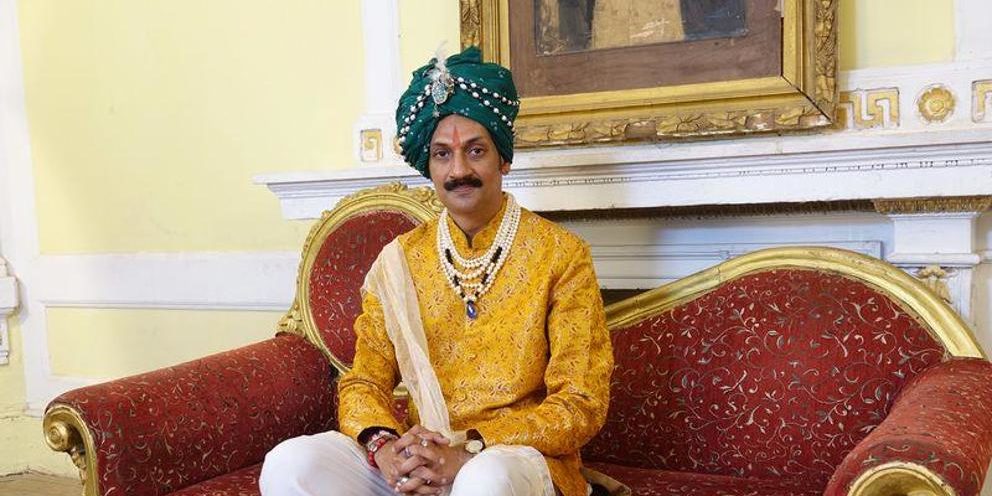
Manvendra Singh Gohil, the first and only member of the Indian royal family to publicly acknowledge his homosexuality. In 2006, following a media leak, Gohil publicly acknowledged his sexual orientation and was disinherited by his parents. Heir to the throne of the former kingdom of Rajpipla, now part of the Indian state of Gujarat, he had until then kept his sexual orientation hidden. He had even married, although he divorced a year later. His parents—who knew—had forbidden him from speaking about it. But when the information was leaked and he came out, they disinherited him for having "humiliated the family." His homosexuality then made headlines everywhere, and from that moment on, he became an LGBT activist. Part of his public activism was dedicated to fighting against Section 377 of the Indian Penal Code. This provision, enacted during the British colonial period, remains in effect despite being declared unconstitutional. And although it is supposed to be Parliament that must amend it, in early January the Supreme Court announced that it would review the section. “Lifting this precept will encourage more people to come out and live their lives freely. But it may also mean that there will be more people who will need support,” the heir argued. A palace transformed into a refuge. The “Pink Prince”—as he was nicknamed when he revealed his sexual orientation in 2006—founded the Lakshya Trust, an organization that helps LGBT people by providing them with shelter and support. “People still face a lot of pressure from their families when they come out. They are forced into marriage, or kicked out of their homes. Often they have nowhere to go and no means to support themselves […] I’m not going to have children, so I thought: Why not use this space for a good purpose?” Gohil explained in an interview with Reuters. To that end, Gohil is expanding and renovating his 6-hectare (13-acre) family estate to turn it into a large refuge with bedrooms, a medical facility, and an educational center offering English and vocational classes. “I want to give people social and financial empowerment. They will have their own social security system. It won’t matter if they are disinherited, as it is now. Because in India you become a social outcast if you are disinherited, since people are financially dependent on their parents.”
Share
We are present
We are committed to journalism that delves into the territories and conducts thorough investigations, combined with new technologies and narrative formats. We want the protagonists, their stories, and their struggles to be present.
SUPPORT US

FOLLOW US
We are present
This and other stories are not usually on the media agenda. Together we can bring them to light.