

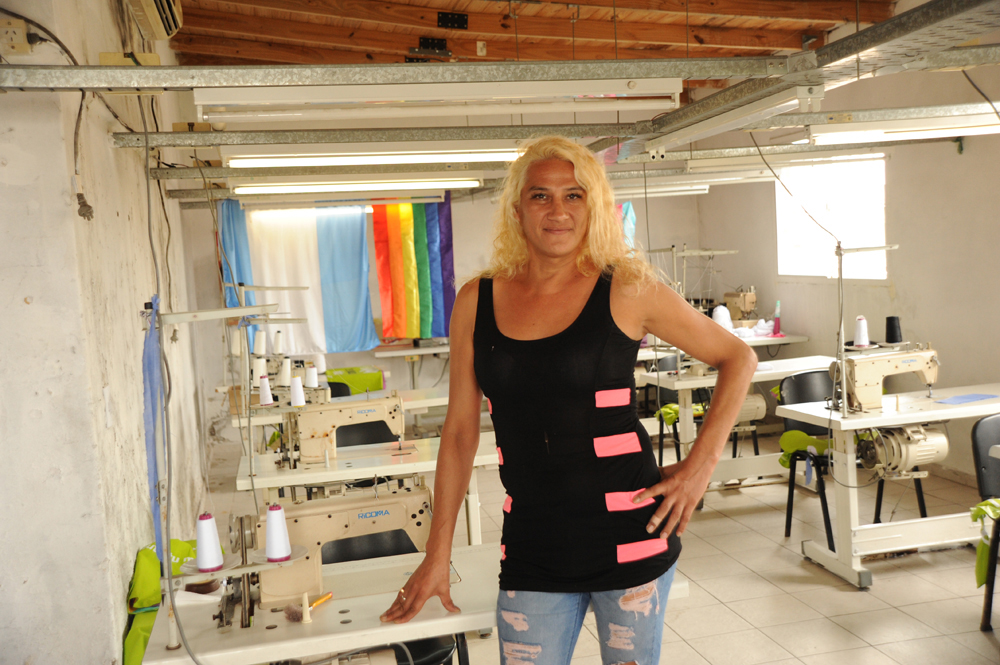
The cooperative hair salon "Las Charapas", a trans employment project, has closed.
"Las Charapas" was a cooperative project that gave work to 10 trans girls who bet on that job to leave prostitution.


Share

"Las Charapas" had to close its doors due to the economic crisis affecting the country. This was announced by the organization OTRANS, which had supported this trans job inclusion initiative in La Plata, Buenos Aires Province, from the beginning. "Las Charapas" was a cooperative project that provided employment for 10 trans women who chose this work to leave prostitution. For a time, they were able to do so and even begin their studies. This was the case for Ariana Linares Araujo, a student of Business Administration at the Faculty of Economic Sciences, and Koral Trinidad Flores, a student of Popular Communication at the Faculty of Journalism and Social Communication of the University of La Plata.

 [READ ALSO: #Argentina: They opened a hair salon to help people leave prostitution]
“The closure is regrettable because the cooperative supported 10 trans women, helping them leave prostitution, since we don't consider it work. Currently, with the economic crisis in the country, people are worried about food, not hair. The closure means that seven of our members will return to the streets, two will do hairdressing work at home, and one will have to return to her country of origin,” said Mia Flores.
[READ ALSO: #Argentina: progress and shortcomings of the trans employment quota]
The members explained that they had noticed a decline in customers since October 2017, and that despite their individual efforts, including offering affordable prices, promotions, and other incentives, the business could not continue operating. This establishment was created through self-management and never received any funding from the Municipal, Provincial, or National Governments. [READ ALSO: Salta: They created a trans services cooperative to live off their work ]
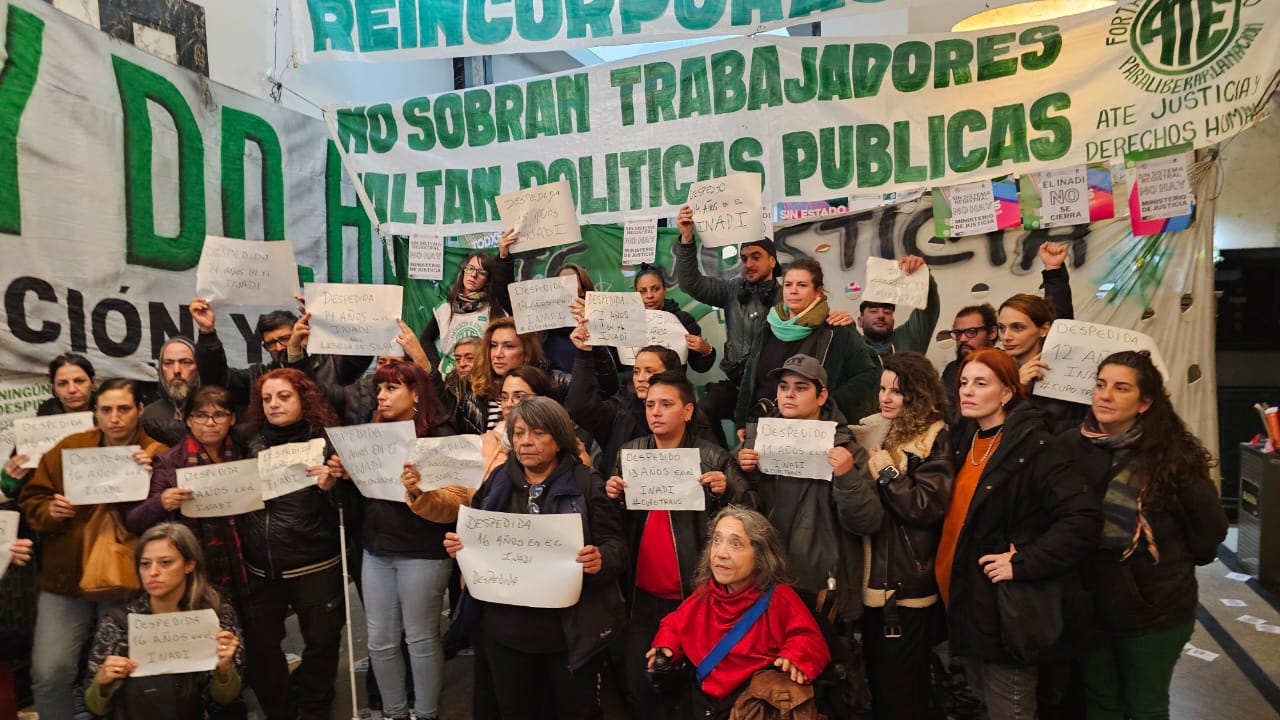
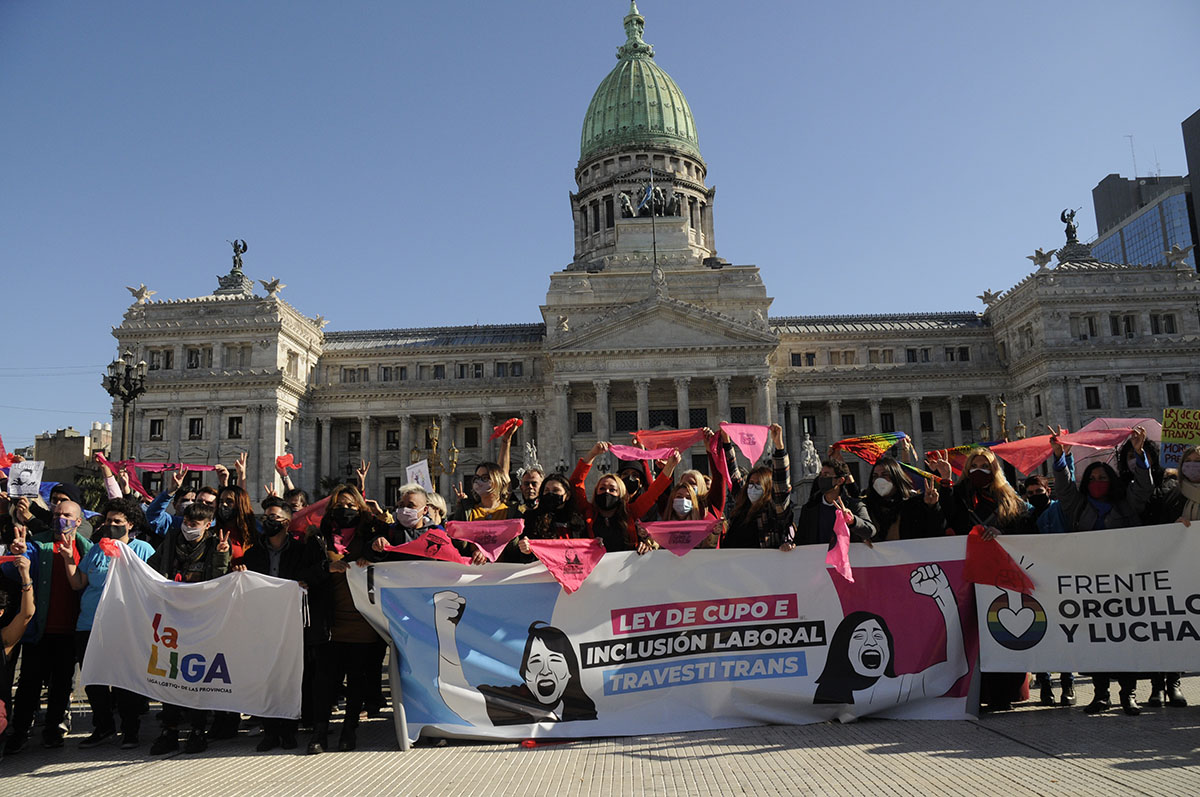
Claudia Vásquez Haro, president of OTRANS Argentina, of the Argentine Trans and Travesti Federal Network (CFTTA), and general coordinator of the TLGBI Organizations Front of La Plata, Berisso, and Ensenada, stated that “The closure of the Cooperative is a product of the absence of the State and public policies. We are also very concerned that all the members of the cooperative have lost their jobs, and that seven will return to prostitution because they have no other employment options. We reiterate our demand and urge Governor María Eugenia Vidal to implement the Trans and Travesti Employment Quota, which was passed in 2015 but has yet to be regulated.”
We are present
We are committed to journalism that delves into the territories and conducts thorough investigations, combined with new technologies and narrative formats. We want the protagonists, their stories, and their struggles to be present.
SUPPORT US

FOLLOW US
Related notes
We are present
This and other stories are not usually on the media agenda. Together we can bring them to light.