

#Chile Tension at public hearings for the Gender Identity Law
[READ ALSO: Gender Ideology in Chile: This is how fanatics and rulers speak] Some of them managed to attend the hearing, where the voices most present were those opposed to the project. Among others were Marcela Aranda, spokesperson for the “Freedom Bus” – against transgender children; and Kast's wife, Pía…

Share


[READ ALSO: Gender Ideology in Chile: This is how fanatics and rulers speak ]
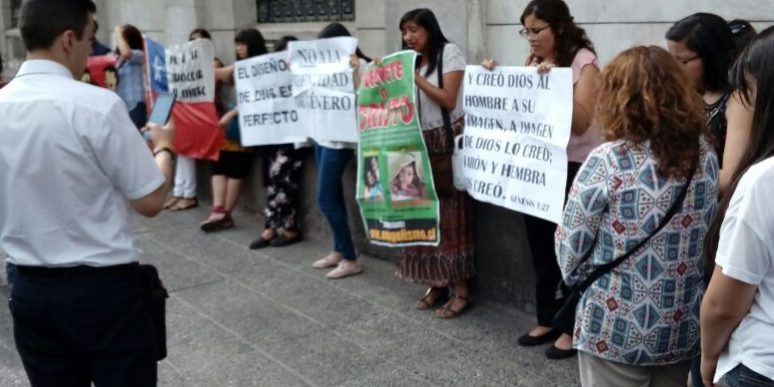
Some of them managed to attend the hearing, which was dominated by voices opposing the project. Among those present were Marcela Aranda, spokesperson for the "Freedom Bus" (a movement against transgender children); Pía Adriasola, Kast's wife; Francisca Ugarte, an endocrinologist; and a group of lawyers, all opposed to the project. The only voice in favor was that of the Amanda Jofré sex workers' organization, who testified about the project's importance to them.[READ ALSO: Trans daughter of “hate bus” leader: “I’m making this public to support other people” ]

A long road to law that is now in danger
The Gender Identity Bill was introduced in 2013 and spent four years in the Chilean Senate. During this time, and through fourteen revisions by the Human Rights Commission—which drafted the bill now under discussion with public hearings—it lost some of its central objectives. One of these was the age at which people could change their gender identity on their official documents at the Civil Registry: the possibility for minors to do so was eliminated, leaving only those over 18 years of age with the right to do so. This occurred despite the fact that organizations advocating for the rights of transgender children were among its proponents.[READ ALSO: Selenna, the Chilean trans girl, became a symbol of pride ]
The first hearing, after the bill passed the Chamber of Deputies, was held in September. Until then, conservative groups had never appeared before Congress. Organizations defending the bill believe it is no coincidence that this occurred after Piñera's victory on Sunday and also after the government spokesperson, Paula Narváez, announced last week that the bill had been given "utmost urgency." "This is an instrument that seeks to dignify people's lives, and that is very important," declared the official in Michelle Bachelet's administration at the time. The urgency stems from the fear that the bill will fail in March, when Piñera is likely to assume the presidency. This is the belief of the organizations defending it, and that is why they will insist that it be addressed as soon as possible. But the truth is, no one knows when that might happen. This is especially true considering the four years of back-and-forth it went through in the Senate. The hearings will continue tomorrow in Valparaíso.Share
We are present
We are committed to journalism that delves into the territories and conducts thorough investigations, combined with new technologies and narrative formats. We want the protagonists, their stories, and their struggles to be present.
SUPPORT US

FOLLOW US
We are present
This and other stories are not usually on the media agenda. Together we can bring them to light.