

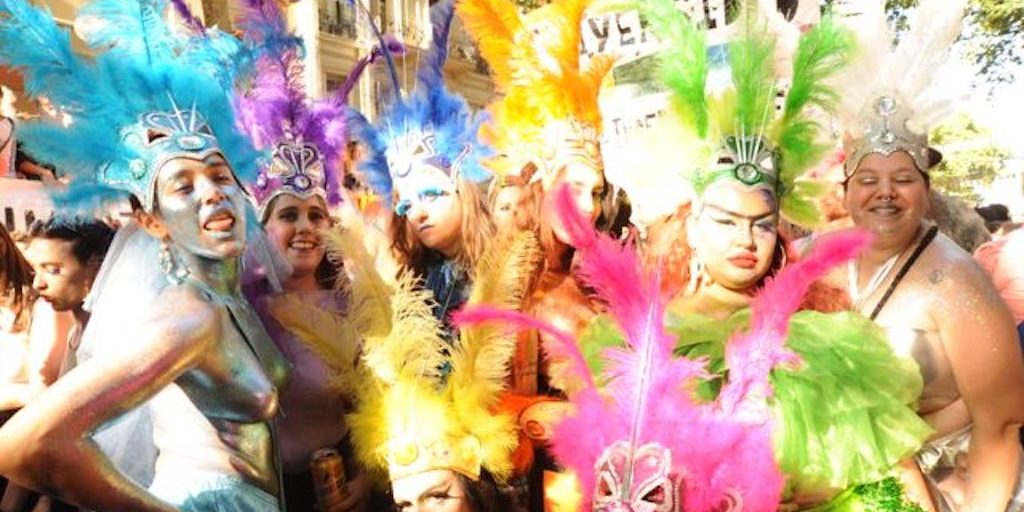
This is how she marched in Buenos Aires to celebrate LGBTIQ pride
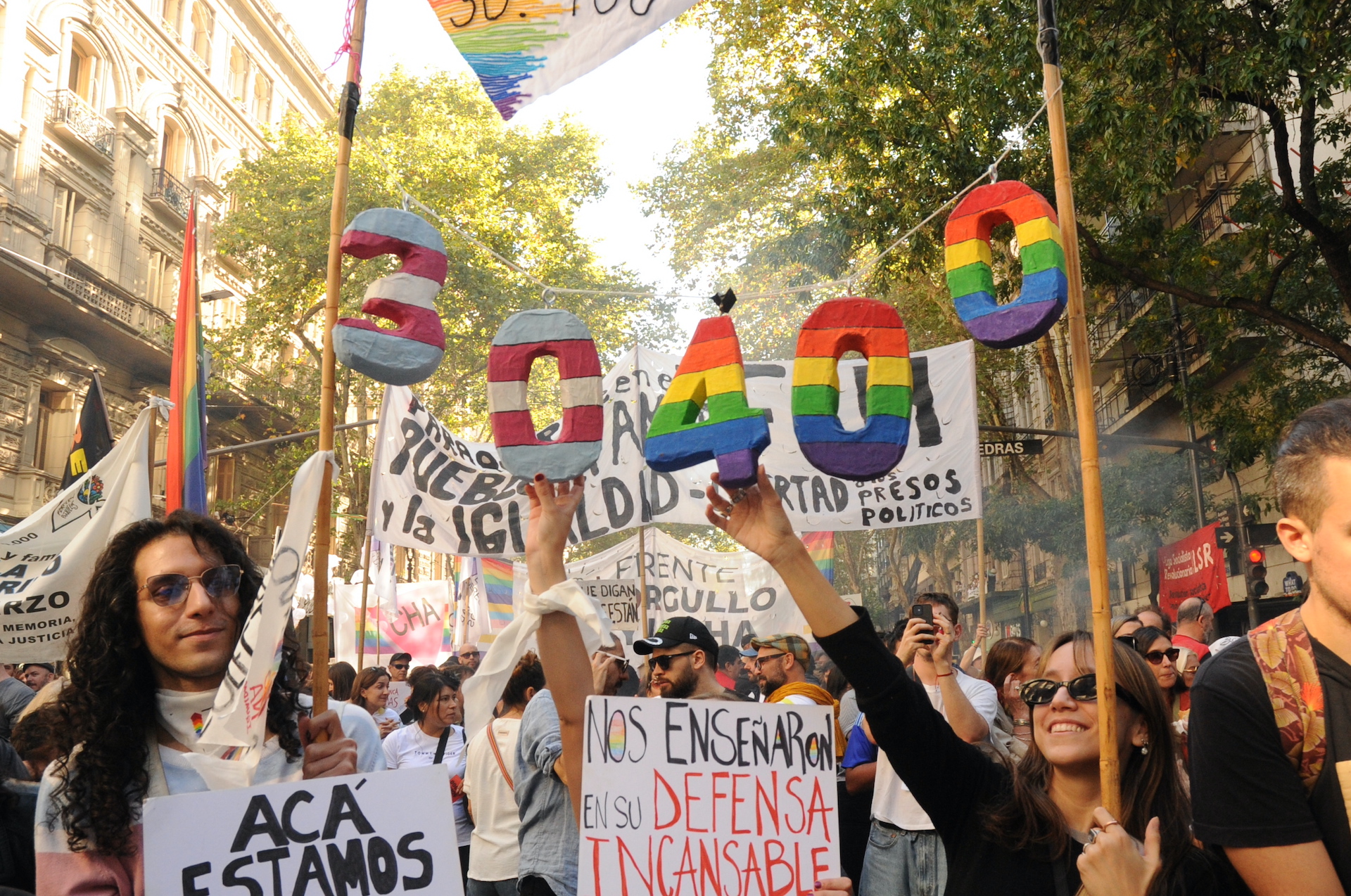
The 26th LGBTIQ+ Pride March mobilized around 200,000 people from Plaza de Mayo to the National Congress in Buenos Aires. With slogans like "Stop the femicides of transvestites, transsexuals, and transgender people, stop institutional violence. Pride to defend the rights we have won," the march began at noon…

Share

The 26th LGBTIQ+ Pride March mobilized around 200,000 people from Plaza de Mayo to the National Congress in Buenos Aires. With slogans like "Stop the femicides of transvestites, transsexuals, and transgender people, stop institutional violence. Pride to defend the rights we've won," the plaza gradually filled with flags, signs, colors, glitter, and enthusiasm from midday onwards. The stage in Plaza de Mayo compensated for the absence of a final stage at the Congress —which the government denied—and served to warm up the crowd for the March: there, the powerful document outlining this year's slogans . Amidst the protests and celebrations, the lesbian reggaeton of the artist Chocolate Remix kicked off, getting everyone dancing.
[READ ALSO: #LGBTIQPrideMarch: activists take legal action to prevent police repression]
““We intend to continue celebrating, with pride, all the achievements we have won, and to keep joining forces for those rights that are still pending. We have been winning battles; we are an example to the world in terms of recognition and equal rights. We reaffirm each of our victories, and we strengthen ourselves to continue fighting for new wins,” read Kalim Soria, general coordinator of the Argentine Network of Intersex, Transsexual, and Transgender People (RITTA).[READ ALSO: #MyPrideIS: Twitter was filled with hundreds of proud LGBTI experiences]
 More than 20 floats paraded down Avenida de Mayo, while on the sidewalks and from the balconies, people joined in the celebration.
"The Pride march confirms that the LGBT movement is a relevant social actor in Argentine society, and therefore, its demands must be heard," he told Present Martín Canevaro from 100% Diversity and Rights. During the five hours that the march lasted, its participants told us stories and reasons why they are proud to belong to the LGBTIQ community.
More than 20 floats paraded down Avenida de Mayo, while on the sidewalks and from the balconies, people joined in the celebration.
"The Pride march confirms that the LGBT movement is a relevant social actor in Argentine society, and therefore, its demands must be heard," he told Present Martín Canevaro from 100% Diversity and Rights. During the five hours that the march lasted, its participants told us stories and reasons why they are proud to belong to the LGBTIQ community.
#MyPrideIs
 Alex (42 years old, music teacher. Lives in Quilmes) is proud to be free. He says he's been coming to the March since 2009 and notices it has grown a lot, but its spirit has changed. “Before, it was more celebratory because of the achievements, but now it's a march of struggle. We have 21 demands. This shows that there has been a significant setback.”
 Gonzalo is 22 years old and a psychology student. He is accompanied by his twin sister, Karen. He says his pride comes from being able to live as he wants and feeling free. Karen adds that her pride comes from being able to be herself and supporting her brother. Gonzalo says he feels that diversity is becoming more and more accepted, and that's a good thing.
 Kurt (61) and Peter (64) are Danish and have been married for 10 years. They say they've participated in Pride marches all over the world. “Being normal” is what they're proud of.
 Gabi (22 years old) and Yanina (31) came from Lomas de Zamora. They say their pride is in the family they have built.
 Cami (24 years old) is from Colombia and says her pride is “being queer.” She adds that she feels there is a growing energy at the march. “People celebrate diversity,” she says.
 Amir (27 years old, art student) says his pride is wearing heels freely.
 Celeste (35 years old) is from La Rioja but has lived in Rosario for some time. She says she is a proud sex worker. “It gave me dignity as a person,” she says, and calls for the full implementation of the Comprehensive Sex Education Law (ESI), #StopTransMurders, and the separation of Church and State.
 Gino (25 years old, history teacher) says that his pride is thinking about a better world, "it's the best way to resist," he says.]]>
We are present
We are committed to journalism that delves into the territories and conducts thorough investigations, combined with new technologies and narrative formats. We want the protagonists, their stories, and their struggles to be present.
SUPPORT US

FOLLOW US
Related notes


We are present
This and other stories are not usually on the media agenda. Together we can bring them to light.