

Let's hope Kevin Spacey and the villains aren't the only gay characters in this story
By Tomás Balmaceda. The damage to the community caused by Kevin Spacey coming out of the closet due to an accusation of child abuse is very profound.

Share

By Tomás Balmaceda. When I turned 18, I told my parents I wanted to study philosophy. Some time later, when I was 20, I also told them something else: the person they thought was my best friend, whom I had suddenly stopped seeing, had actually been my boyfriend. On more than one occasion, my dad joked in front of me that he was more worried about my announcement that I wanted to study philosophy than about me coming out. He and my mom were convinced they would have to support me for many years because I hadn't chosen more conventional careers like engineering or law. I'm fortunate to have been working since I was 23, and in addition to teaching philosophy and researching topics that interest me, I've been writing for over ten years in various publications: without intending to, journalism became an important profession for me. I even unexpectedly worked for a year in television, as a columnist on a Saturday night show on a broadcast channel. The day I debuted, with all the nerves and strangeness that such experiences bring, I received many messages of encouragement and support. But also one from a colleague I love dearly: she advised me not to say I'm gay on camera again, something I said quite naturally after a joke with a co-worker. I was born in the 80s in a city in the province of Buenos Aires. The only gay man I saw on television for many years was the father of Celeste, the heroine of Andrea del Boca's telenovela, a villain who "dies of HIV" in the final episodes. I fell in love with a boy and had my first sexual experiences with a man without ever having seen a single homosexual kiss on television or in a movie. In the dial-up era, there was no access to the images and videos, pornographic or otherwise, that we have today with the internet. Perhaps that's why, from a young age, I understood the need for representation: to show all kinds of lives, because those of us who don't have "traditional biographies" need to look out for each other. I can't ask the news anchor who harasses his female coworker while she's taking pictures with her family doing volunteer work to be a role model for me. I ask it of the news anchor who pushes a particular agenda in every report he airs but believes he has the right not to reveal that he's gay "because it's part of his private life." From my perspective as a journalist, in whatever medium I happen to be—whether as a teacher in front of a class or as a neighbor at a homeowners' association meeting—I believe in the importance of speaking the truth and being someone whose life others can see, so that no one else thinks that the only diverse people are the villains in the story. But even our closest friends will tell us that what we're doing is wrong, that doors will close on us, or that we won't be called for other jobs. After an actor, Anthony Rapp, reported that he tried to abuse him when he was 14, Kevin Spacey publicly came out as gay. He did so with a cruel and damaging statement: he claimed to have no memory of the incident; In the next sentence, he claimed to be drunk at the time (what a selective memory!) and concluded by saying that he has been in love with both men and women. "I have loved and had romantic encounters with men throughout my life, but now I have chosen to live as a gay man," he wrote.
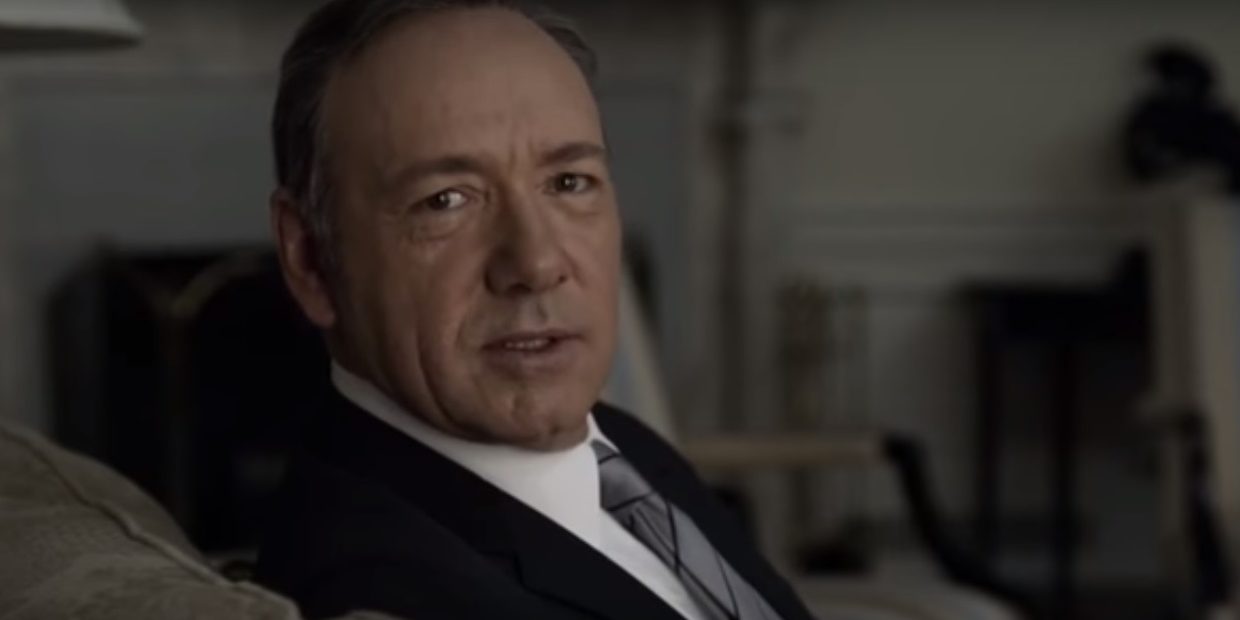
— Kevin Spacey (@KevinSpacey) October 30, 2017The damage done to the community by Kevin Spacey's coming out as a result of a child abuse allegation is profound. News outlets are already running headlines about both events: the pedophilia accusation and the news that he is gay. All together, as if they had to go hand in hand. A star of Spacey's stature would have had a positive and luminous impact had he revealed years ago, and in other ways, that he dated men and women. While only he knows his personal reasons for remaining silent, the consequences of his omission are devastatingly negative and tragic for an entire community, which today sees negative stereotypes linked to the criminalization of our lives being reinforced on social media. We must never force people to reveal what they don't want to, and we must defend everyone's right to privacy. In fact, even today there are more reasons to stay in the closet than to come out: why would someone working in media want to reveal they are gay if there are no openly gay people on the entire programming of various news channels or on major AM or FM radio stations? Why stop hiding if public figures and established personalities rush to have their picture taken so the Pope can bless their hypocrisy? We shouldn't force anyone to come out, but we can help create conditions in which it's easier to live a life where truth is the rule. It is everyone's responsibility to support media outlets that accept diversity, to condemn harassment of those who are different, even if it's in the form of a comment at the bakery, a meme on the web, or public policy. Let's not allow Kevin Spacey and the villain of the novel to be the only gay people in this story.
We are present
We are committed to journalism that delves into the territories and conducts thorough investigations, combined with new technologies and narrative formats. We want the protagonists, their stories, and their struggles to be present.
SUPPORT US

FOLLOW US
Related notes



We are present
This and other stories are not usually on the media agenda. Together we can bring them to light.