

LGBT Intersex: What does it mean to be an intersex person
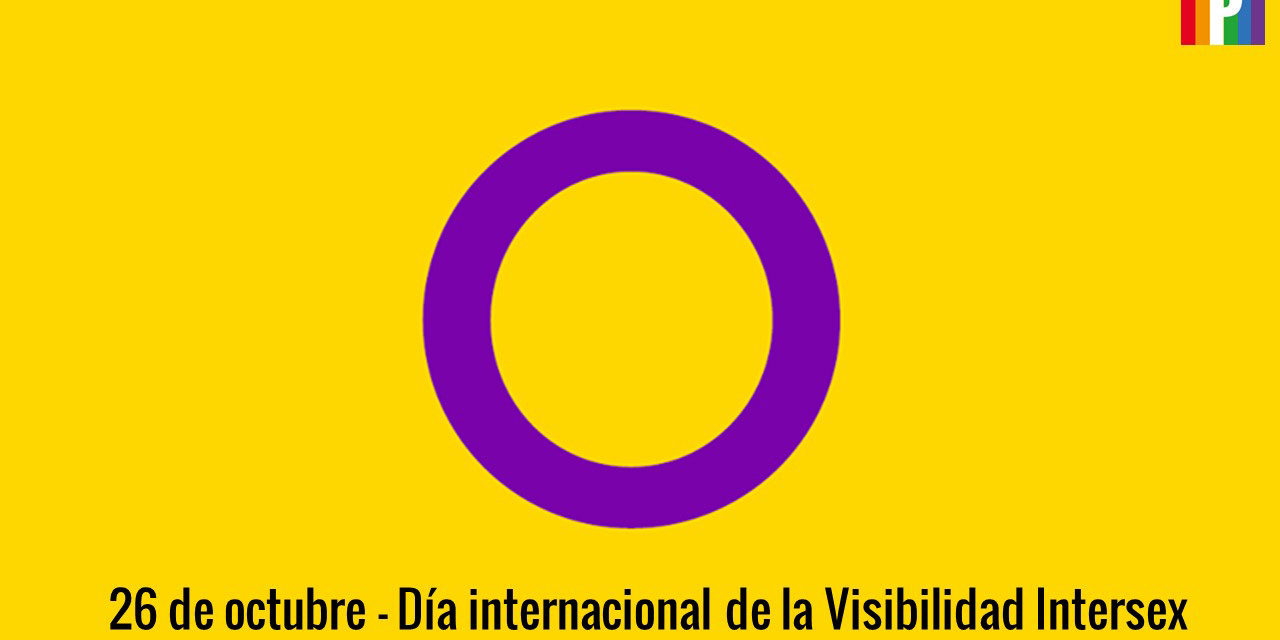
October 26th is Intersex Awareness Day, commemorating the first public demonstration by intersex people. It took place in 1996 in Boston, USA, to demand bodily autonomy and protest against birth defects. The term intersex encompasses a wide range of natural variations in the body.

Share

Being Intersex: Intersex people are born with sex characteristics (such as genitals, gonads, and chromosome patterns) that do not correspond to typical binary notions of male or female bodies. In some cases, these natural variations—which can be quite extensive—are visible at birth. In others, they are not physically visible at all and only become apparent during puberty. This is one of the reasons why many intersex people suffer not only discrimination and mistreatment but also, often, sex-affirming surgeries decided based on chromosomal studies. According to the National Institute Against Discrimination and Racism (INADI), “the bodily integrity, decisional autonomy, and health of intersex people must be ensured. This requires providing non-pathologizing psychosocial support to their immediate family instead of surgery or other medical treatment, unless it involves life-saving interventions. The fundamental principle is to guarantee the right to bodily integrity and self-determination. However, it is important to emphasize that for many intersex people, this is no longer possible because they have undergone interventions before being able to make decisions about them.” “Intersexuality is not an illness or a pathology. Within the diversity that exists in any society, there is this type of intersex person that breaks with the norms of what is understood as masculine and feminine,” explained Silvina Maddaleno, coordinator of the Sexual Diversity area at INADI.
[READ MORE: The intersex girl who lived two years registered as male]
Some chromosomal variations in intersex people may not be physically visible at all. Between 0.05% and 1.7% of the world's population is born with intersex traits, according to research compiled by the Office of the UN High Commissioner for Human Rights. “Violations of the rights of intersex people are rarely discussed, let alone investigated or prosecuted,” said High Commissioner Zeid Ra'ad Al Hussein. “The result is impunity for perpetrators, a lack of redress for victims, and the perpetuation of a cycle of ignorance and transgression.”
Why is the 26th Intersex Visibility Day?
“Stop the mutilations.” Under this slogan, on October 26, 1996, in Boston, Massachusetts, about thirty people gathered outside a building where the American Academy of Pediatrics was holding a meeting. Led by activists Morgan Holmes and Max Beck of the Intersex Society of North America (ISNA), and accompanied by other organizations, they demanded the right to decide about their own bodies. Since then, October 26 has become World Intersex Visibility Day, with the aim of informing, raising awareness, and educating people about the problems, prejudices, and violations of their rights. In 2013, the Inter-American Commission on Human Rights It held the first Thematic Hearing on intersexuality to learn about the situation of intersex people. That same year, the United Nations Special Rapporteur on torture and other cruel, inhuman or degrading treatment or punishment took up the complaints of intersex activists regarding human rights violations in healthcare institutions. This year, The IACHR convened a hearing on its own initiative to learn about the situation of intersex people in Latin AmericaTestimonies from various countries highlighted the violence suffered by many intersex people in the region. ]]>We are present
We are committed to journalism that delves into the territories and conducts thorough investigations, combined with new technologies and narrative formats. We want the protagonists, their stories, and their struggles to be present.
SUPPORT US

FOLLOW US
Related notes


We are present
This and other stories are not usually on the media agenda. Together we can bring them to light.