
 Apoyanos
Sudor Marika: la banda que le pone cumbia a las luchas LGBTI
La cumbia de ‘Sudor Marika’ grita de forma activista y empoderada. Con nueve integrantes, la banda argentina nace como respuesta a la pregunta que les hacían con asquito: ¿te gusta la cumbia?”, el mismo tono que usaban cuando les preguntaban sobre sus gustos sexuales y existenciales.
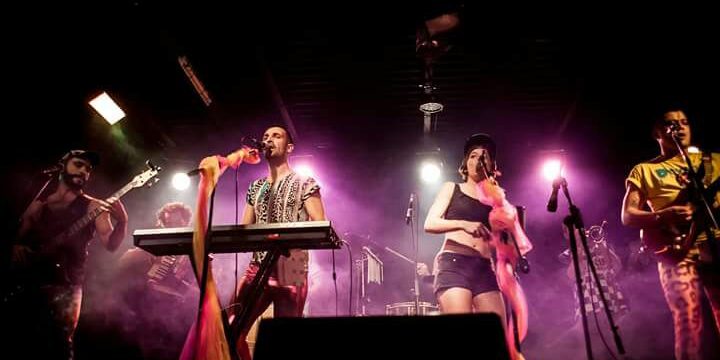

La cumbia de ‘Sudor Marika’ grita de forma activista y empoderada. Con nueve integrantes, la banda argentina nace como respuesta a la pregunta formulada casi con asco: ¿te gusta la cumbia?”, el mismo tono que usaban cuando les preguntaban sobre sus gustos sexuales y existenciales. Sebastián Zasali en teclado y voz, Rocío Feltrez en voz y wiro, Vicente Quintreleo en guitarra y voz, Nahuel Puyaps en bajo, Carolina en Octapad, Sandra en voz, Lean en timabaletas, Haquir en acordeón y Nico en trompeta arman una fiesta con conciencia y respondieron nuestras #5PREGUNTAS. Por Lucas Gutiérrez
-¿En dónde radica su disidencia?
– Radica en varios planos. Pero fuertemente apunta a la moral, que siempre es blanca, pura, hetera, cristiana, propietaria, monógama y patriarcal. Somos disidentes de las normas que dictan cómo debemos amar, vivir, gozar y compartir. También del neoliberalismo, que hoy se llama macrismo, que viene a regular no sólo las condiciones materiales y económicas sino también las subjetivas y afectivas.
-¿Cómo definirían su activismo?
– Podría ser un activismo “que interrumpe” el sentido común de la cumbia y de lo marika. Creamos imágenes, canciones y encuentros que interrumpen lo obvio, lo hegemónico. Alimentamos nuevos imaginarios, perturbando el establecido. En nuestros recitales la manada canta las canciones que la colectiva Lohana Berkins canta en las marchas, y otras también. Esa mezcla de recital de cumbia, bailanta piquetera y asamblea de cuerpas sudorosas es encantadora. “Somos Guerrilla de la subversión sexual”, arenga una horda de tortas en tetas sudadas en más de un show.
– ¿En qué desafían la hegemonía (hetero y homo)?
– Creemos que nuestra presencia en la escena musical es una interrupción en la hegemonía cultural que es heterosexual. En tanto discurso de la norma esta hegemonía se sostiene en múltiples prácticas, entre ellas la música y el arte, donde también pareciera que sólo son hombres y mujeres heteros los que se enamoran, bailan cumbia y militan. Y con respecto a la hegemonía gay, son varios los frentes que volvemos anómalos. ‘Sudor Marika’ hace cumbia y eso ya es un género que no pareciera ser parte del combo: gay- masculino- diseñado. Por otra parte en nuestra banda no son todas marikas, hay tortas y otrxs que prefieren ni definirse. Esta alianza rompe esa distancia que suele haber entre “lo gay hegemónico” que no suele mezclarse con las tortas y otras sexualidades, ya que no se percibe como parte de minorías relegadas sino como copia de los modelos de masculinidad que el mercado dicta. Apostar a un nombre como ‘Sudor Marika’, volver deseable esa nominación que suele ser despreciada, cada vez más, es una apuesta política.– ¿Cómo eligen las fechas en las que se presentan?
Tiene que ver con la afinidad que sintamos con la lucha que está en juego, el motivo, la causa y la organización. Somos muchxs y vamos dándonos discusiones internas sobre esas elecciones. Nos gusta pensarnos como una de las bandas sonora y sorora de la disidencia, de las luchas. Musicalizar las luchas es muy potente para nosotrxs. Esos cuerpos que suelen portar cansancio, frustraciones, jornadas largas, tristezas, furias, tiene un momento para bailar y sudar, al ritmo de la cumbia y de las letras que lejos de “desconectarlxs” de la militancia, los reconecta desde la alegría, no esa macrista y marketinera, sino de la alegría como el aumento de la potencia que somos. Además siempre que tocamos en alguna movida es un placer sentir que la música, las letras y la militancia están en sintonía, y no la banda como un agregado que habla de otra cosa y quizás ni sabe cuál es la lucha que se está dando.-¿Cómo es hacer arte y activismo en la Argentina actual?
– Es la única manera que encontramos para que el desierto no nos arrase. Está siendo el modo de resistir y de insistir en encuentros vitales. Más que nunca nos parece urgente encontrarnos, sudar colectivamente, que los cuerpos salgan de la pantalla que nos tiene tomadxs, y vengan a bailar, a cantar, a sentir que haya posibles por disputar. Nuestro activismo produce encuentros y alianzas, eso ya es un montón en esta realidad apática, aplastante y desvitalizadora. Obviamente no es tan fácil, porque la persecución a los centros culturales y demás espacios es fuerte y continua, de ahí las alianzas que son parte de la autogestión que construimos día a día para poder desplegar nuestro proyecto. Mucho de eso se da a través de las redes sociales, aunque Facebook nos prohíba publicitarnos. No podemos pagar para circular como publicidad porque herimos la moral de la comunidad, si bien es cierto que esa es nuestra apuesta, no esperábamos que fachobook lo tenga tan claro y nos censure. ]]>Somos Presentes
Apostamos a un periodismo capaz de adentrarse en los territorios y la investigación exhaustiva, aliado a nuevas tecnologías y formatos narrativos. Queremos que lxs protagonistas, sus historias y sus luchas, estén presentes.
APOYANOS

SEGUINOS
Notas relacionadas
Estamos Presentes
Esta y otras historias no suelen estar en la agenda mediática. Entre todes podemos hacerlas presentes.