

Catholic University approved recognizing gender identity but took a step back
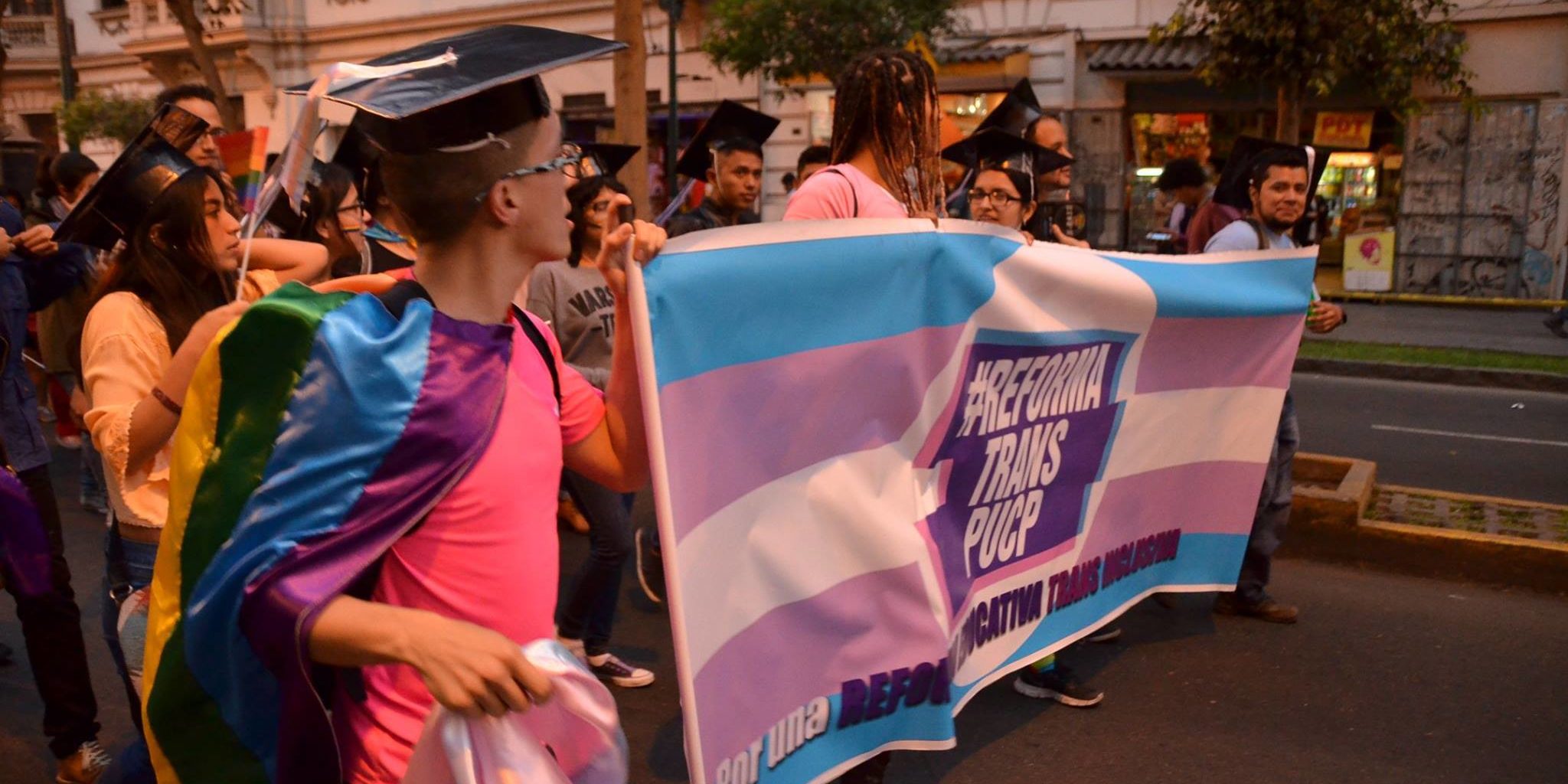
The Pontifical Catholic University of Peru became the first in the country to implement a reform that included, among other measures, the recognition of its students' gender identity. However, days later, the rector requested that the gender identity recognition be revoked.

Share

The Pontifical Catholic University of Peru became the first in the country to implement a reform that included, among other measures, the recognition of its students' gender identity. However, days later, the rector requested that the gender identity recognition be revoked.
By Esteban Marchand, from Lima.
The Pontifical Catholic University of Peru (PUCP) became the first university in the country to approve a reform guaranteeing the right to identity for transgender and non-binary people. This coincided with the National Day Against Hate Crimes on April 31st. However, in June, this reform, which was intended to allow students' names and genders to reflect their self-identified gender on their ID cards, reversed one of its central aspects.
The reform promoted, among other measures, the training of faculty and administrative staff on gender and sexuality issues. In other words, it aimed to raise awareness among the university community about the realities of transgender people in Peru.
The changes were beginning
“I believe that finally a population that has been marginalized for a long time, both at the university level and at the national level, will be able to gain visibility. They will finally have the right to full recognition of the identity with which they identify,” Brenda Lamas, student representative to the University Council, told Presentes when asked about the spirit of the reform.
When the reform was announced, the LGBTQ+ community in the country was pleased. Given the numerous setbacks that had occurred in the Congress of the Republic— such as the repeal of Decree 1323 —this news offered a glimmer of hope. Change was beginning in the private sector, but at last, it was beginning.
Why the university reversed the measure
On June 6, the University Council of the Pontifical Catholic University of Peru decided to nullify an important point of this reform: the recognition of the gender identity of trans and non-binary students.
The rector of PUCP, Marcial Rubio, argued that this measure was "expressly contrary to current Peruvian law, both in terms of constitutional jurisprudence and the law."
"Finally, I was going to be respected by my teachers."
For Javiera Arnillas, a theater student at PUCP, Marcial Rubio's stance is disappointing. “When the reform was approved on May 31st, my reaction was euphoric. I was so happy. Finally, I was going to be respected by my professors. And finally, my name was going to appear on my documents. In the end, they changed that, and I just feel anger, a lot of anger,” she says indignantly.
Javiera considers herself one of the victims of the University Council's decision. Like other trans students, Javiera says she has stopped using some university services for fear of being humiliated or discriminated against.
Previously, the university had been the scene of some discriminatory acts. Although these were publicized on social media, no one affected pursued a formal complaint regarding the transphobia.

In some classrooms, Javiera's teachers still call her by her male name, even though she always approaches them to clarify. Furthermore, she prefers not to access the basic menu provided by her school because to do so she would have to show her ID card and explain that this is no longer her name.
There is currently no official data on the approximate number of transgender and non-binary students attending PUCP. However, it is known that their numbers are growing daily and that they are prepared to fight for their rights.
"Trans people have the capacity to be professionals"
“The biggest impact of this measure would be being able to study in peace,” Marco Pérez, coordinator of the Trans Reform at PUCP, explained to Presentes . Pérez highlighted the hard work that went into getting the trans reform approved.
Today she believes: “What has been proposed is a step backward from something that had already been achieved. And we are not willing to go backward .” “ There is an entire community that has never been able to access education due to discrimination . There is a message for society: trans people have the capabilities to be professionals and develop as individuals,” Pérez added.
With Marcial Rubio's request, plus the majority vote in the University Council to create a commission to evaluate the trans reform agreement, there are those who believe that everything is going back to a previous moment.
Even so, there are some positive achievements.
Other inclusive measures that were approved
- While one of the most important points of the Trans Reform (recognizing the gender identity of trans students and having it appear on their identification cards) still needs to go through a committee, other measures that the Trans Reform contemplated were approved.
- Among the most important is the university's decision to designate specialized staff to provide guidance to trans students who wish to begin their identity changes on their ID cards.
- Another change: access to the toilet with which people identify will not be prevented, based on their gender identity or expression.
- Regarding sports, the university pledged to take action to raise awareness and train coaches and teachers.
- Regarding health, he stated that treating trans people as sick people will be prohibited.
The trans collective at the Catholic University called 'Reforma Trans' https://www.facebook.com/reformatranspucp/posts/1703585179715954 has issued a statement in which they commit to continue fighting for those who have no voice and "in whose hopes we find the driving force behind our work, which is political, civic, collective and, above all, human."
Although universities should be safe environments, opening their campuses where one can be oneself and begin to discover oneself as a person, free oneself from prejudices, educate oneself and grow, this is not the case for trans people in Peru.

We are present
We are committed to journalism that delves into the territories and conducts thorough investigations, combined with new technologies and narrative formats. We want the protagonists, their stories, and their struggles to be present.
SUPPORT US

FOLLOW US
Related notes
We are present
This and other stories are not usually on the media agenda. Together we can bring them to light.