

UN LGBT expert: "We must fight against police and judicial impunity"
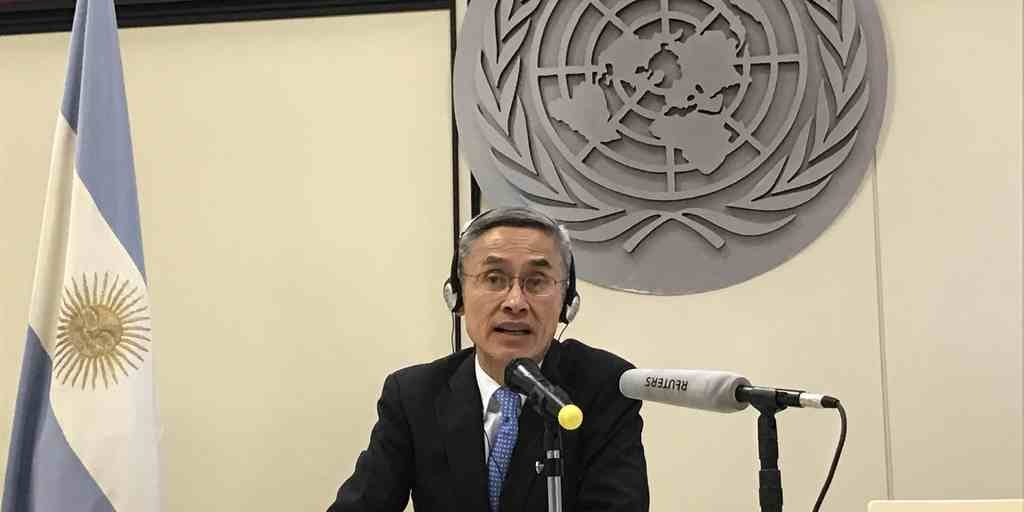
At the close of her visit to Argentina, Vitit Muntarbhorn held a press conference at the UN headquarters in Buenos Aires and previewed her report on the situation of the LGBTI population in the country. While she praised the legislative progress, she expressed concern about the violation of the rights of the trans population, the invisibility of lesbians, and institutional violence.

Share

At the close of his visit to Argentina, Vitit Muntarbhorn held a press conference at the UN headquarters in Buenos Aires and presented a preview of his report on the situation of the LGBTI population in the country. While praising legislative progress, he expressed concern about the violation of the rights of the trans population, the invisibility of lesbians, and institutional violence. After ten days of meetings in the City of Buenos Aires, the Greater Buenos Aires metropolitan area, and the cities of Mendoza and Rosario with LGBTQ+ activists, civil society organizations, and government agencies, the UN Independent Expert on LGBTI Rights, Vitit Muntarbhorn, released a preliminary assessment of the human rights situation of LGBTI people. This agency asked him whether he was aware of the two arbitrary arrests by police that occurred during the week of International Women's Day (#8M), which targeted lesbian women. “I am aware of the lesbophobic attacks this week in Buenos Aires, and they need to be given greater visibility,” said UN LGBT expert Muntarbhorn. “The media plays a crucial role in raising the visibility of the LGBT population,” Muntarbhorn noted.

“Institutional violence is widespread in Argentina.”
Among the findings and recommendations of his mission—which will become a more comprehensive report in 2018 for a session of the Human Rights Council—the expert spoke of institutional violence, lack of access to justice, and lack of access to basic rights such as decent work, health, education, and housing. “Institutional violence is widespread in Argentina, historically deeply rooted in society, and lies at the heart of the problem of violence and discrimination based on sexual orientation and gender identity. A major dilemma is the impunity of the perpetrator, exacerbated by the difficulties faced by victims and survivors trying to access the justice system,” he said. She added: “Institutional violence, through negative acts and omissions by state officials, is both a root cause of violence and discrimination related to sexual orientation and gender identity (SOGI), as well as a consequence and an aggravating factor, while perpetuating the vicious cycle of abuse. Some members of the security forces are openly involved in these violations, and their impunity presents an even greater dilemma.” She urged the government to make greater efforts in combating this type of violence, which is exacerbated “by the difficulties victims and survivors face in accessing the justice system due to inherent biases against the various groups seeking protection in connection with SOGI. The nature of the violence and discrimination is further complicated by the fact that it is multidimensional and multifaceted.” READ ALSO: [ The UN LGBT expert arrived in Argentina to assess rights ] He praised Argentina's legislation, its "progressive laws and policies" to curb attacks against people based on their sexual orientation or gender identity. But he warned that the actual implementation of this framework falls far short of the standards set by the regulations. He highlighted that Argentina has "progressive laws," such as the Gender Identity Law and the Comprehensive Sex Education Law. However, he also warned that these standards are often not aligned with provincial or local legislation. "How these laws are implemented at the local level is critical. For example, it is deeply concerning that codes of conduct and infractions that discriminate against LGBT people are still being applied in the provinces," the UN expert said.
"Lesbians and trans men are invisible within the community"
She argued that “patriarchy and a lack of empathy regarding diversity are aggravating factors. Behind it all lies sociocultural exclusion, linked to cultural, economic, and political marginalization, which fuels the dynamics of violence and discrimination.” She identified the transgender women's community as the most vulnerable to violence in Argentina. “Transgender people suffer the most violence in Argentina, and state redress is crucial,” she said, urging the creation of a map of crimes against transgender people. “Murders, assaults, and harassment claim many victims among transgender women in particular.” They are part of a particularly vulnerable and invisible community, as they bring with them a history steeped in poverty and socioeconomic deprivation.” He called for improvements in access to education, health, employment, and housing for transgender women. He also spoke of two other invisible groups. “Lesbians and trans men are invisible within the community, and we hope for greater coverage and policies,” said the UN LGBT expert. When asked by journalists present at the conference, the expert said he was surprised by some small-scale examples of good practices. He highlighted, among them, the following: Las Charapas hair salon in La Platawhere women in prostitution gain access to employment. And also the case of a trans nurse she met during her travels through the interior.
He highlighted that Argentina has "progressive laws," such as the Gender Identity Law and the Comprehensive Sex Education Law. However, he also warned that these standards are often not aligned with provincial or local legislation. "How these laws are implemented at the local level is critical. For example, it is deeply concerning that codes of conduct and infractions that discriminate against LGBT people are still being applied in the provinces," the UN expert said.
"Lesbians and trans men are invisible within the community"
She argued that “patriarchy and a lack of empathy regarding diversity are aggravating factors. Behind it all lies sociocultural exclusion, linked to cultural, economic, and political marginalization, which fuels the dynamics of violence and discrimination.” She identified the transgender women's community as the most vulnerable to violence in Argentina. “Transgender people suffer the most violence in Argentina, and state redress is crucial,” she said, urging the creation of a map of crimes against transgender people. “Murders, assaults, and harassment claim many victims among transgender women in particular.” They are part of a particularly vulnerable and invisible community, as they bring with them a history steeped in poverty and socioeconomic deprivation.” He called for improvements in access to education, health, employment, and housing for transgender women. He also spoke of two other invisible groups. “Lesbians and trans men are invisible within the community, and we hope for greater coverage and policies,” said the UN LGBT expert. When asked by journalists present at the conference, the expert said he was surprised by some small-scale examples of good practices. He highlighted, among them, the following: Las Charapas hair salon in La Platawhere women in prostitution gain access to employment. And also the case of a trans nurse she met during her travels through the interior.

Recommendations to Argentina
Among the recommendations, Muntarbhorn referred to "the need to fight against police and judicial impunity and improve access to justice." He also emphasized the "fundamental importance of implementing the comprehensive sex education law and providing support for transgender children." He urged Argentina to reform laws and policies that could lead to violence and discrimination. He also spoke of preventing "the use of drug laws and public morality laws to discriminate against people based on their sexual orientation and gender identity." He also warned: "State institutions need to be present in the field, not in offices." He shared with those present that during his tour he heard many testimonies about the reduction of resources for public policies. "Access to healthcare in the Greater Buenos Aires area is worrying. It seems it used to be better, and there needs to be a greater commitment." "To appoint and strengthen the National Ombudsman's Office"
She emphasized the need to “appoint a head and strengthen the role of the National Ombudsman, ensuring the independence of its mandate in compliance with the Paris Principles on National Human Rights Institutions, endorsed by the United Nations.” She recommended, among other things, ensuring greater participation and representation of women and other gender-sensitive groups within the judiciary and security forces; strengthening internal and external oversight mechanisms for security forces; and sustaining a commitment to equitable and non-partisan resource allocation at the provincial and local levels. She also advised “allowing a diverse range of people to work in state agencies and other professions to contribute to positive gender-sensitive role models.” Her report also addressed the needs of incarcerated populations and people living with HIV. She proposed “ensuring an equitable and accessible distribution of medicines and related supplies, including HIV drugs and hormones, as part of comprehensive healthcare for all, and particularly for transgender people, while facilitating access to Ministry of Health prisons to provide services and deliver medicines.” Finally, she explained that she chose Argentina “for my first official visit to Latin America to thank the countries of the region for their leadership role in OSIC,” Muntarbhorn said.
"To appoint and strengthen the National Ombudsman's Office"
She emphasized the need to “appoint a head and strengthen the role of the National Ombudsman, ensuring the independence of its mandate in compliance with the Paris Principles on National Human Rights Institutions, endorsed by the United Nations.” She recommended, among other things, ensuring greater participation and representation of women and other gender-sensitive groups within the judiciary and security forces; strengthening internal and external oversight mechanisms for security forces; and sustaining a commitment to equitable and non-partisan resource allocation at the provincial and local levels. She also advised “allowing a diverse range of people to work in state agencies and other professions to contribute to positive gender-sensitive role models.” Her report also addressed the needs of incarcerated populations and people living with HIV. She proposed “ensuring an equitable and accessible distribution of medicines and related supplies, including HIV drugs and hormones, as part of comprehensive healthcare for all, and particularly for transgender people, while facilitating access to Ministry of Health prisons to provide services and deliver medicines.” Finally, she explained that she chose Argentina “for my first official visit to Latin America to thank the countries of the region for their leadership role in OSIC,” Muntarbhorn said.
Who is the LGBT expert and what does he do?
 LGBT expert Vitit Muntarbhorn was born in Thailand, where he works as Professor Emeritus at the Faculty of Law, Chulalongkorn University in Bangkok. His position is unpaid; as he explained at the conference, he serves on a voluntary basis, meaning he is not a United Nations employee. He assumed his mandate on November 1, 2016, and is the first Independent Expert on protection against violence and discrimination based on sexual orientation and gender identity (SOGI). Independent experts are part of the Special Procedures of the Human Rights Council. This system is the largest body of independent human rights experts at the United Nations. It comprises "independent findings and monitoring mechanisms that address country-specific situations or thematic issues worldwide." The full document and recommendations are available. here.
Follow Presentes: Twitter @PresentesTLGBI Instagram: PresentesTLGBI Facebook: https://web.facebook.com/presentesTLGBI/
]]>We are present
We are committed to journalism that delves into the territories and conducts thorough investigations, combined with new technologies and narrative formats. We want the protagonists, their stories, and their struggles to be present.
SUPPORT US

FOLLOW US
Related notes


We are present
This and other stories are not usually on the media agenda. Together we can bring them to light.