
 Apoyanos
Las muxes, una identidad transgénero milenaria
Las muxes son personas de la comunidad indígena de Juchitán (México), que nacen con una biología masculina pero se identifican con el género femenino. Integradas a su cultura desde tiempos prehispánicos, recién a partir de los años ’60 del siglo XX comienzan a vestirse como mujeres. Presentes conversó con Amaranta Gómez Regalado, activista muxe y antropóloga social, que explica cómo las tensiones entre lo global y lo local también afectan a las luchas por la diversidad sexual en América Latina.
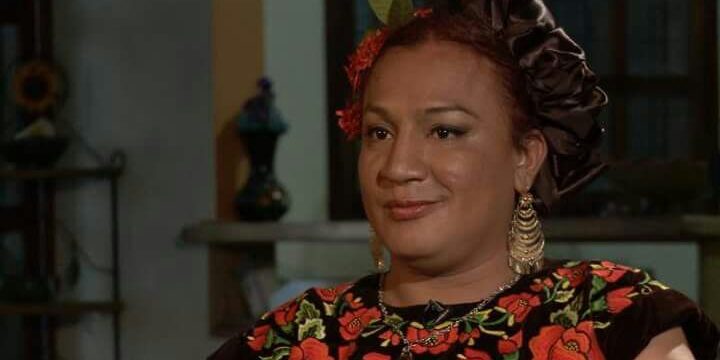


En un cumpleaños de su madre, un festín que empezó al mediodía y terminó entrada la noche, entre varios familiares y amigos, Amaranta Gómez Regalado apareció con ropa de mujer por primera vez. Tenía 13 años y se había puesto el vestido de su prima Edith. Como no tenía zapatos que le quedaran, un tío le había dado el dinero para que corriera a comprarse un par. Su padre, antes de que nadie pudiera decir nada, la abrazó, llamó a sus amigos varones y les dijo orgulloso: “Éste es mi hijo y siempre lo será”. Fue una forma de blindar a Amaranta y una suerte de presentación en sociedad. Algunos murmuraban cosas y miraban para el costado, otros la abrazaban y le daban las bendiciones a su familia. Pero hubo alguien que se retiró de la sala. Era el hermano de su padre, un político de la ultraderecha mexicana, quien, una década después, se opondría públicamente a la candidatura de Amaranta Gómez Regalado a diputada, la primera candidata transgénero de México.
Cuando la fiesta estaba terminando, su padre, profesor del Instituto Politécnico de Juchitán, Oaxaca, y periodista, la sentó en su falda y le dijo: “Tú lo que quieras, como quieras. Pero que no vengan a decirme que te transformaste en alcohólico o alcohólica y que te vieron debajo de la mesa de una cantina”. Y con eso dio por finalizada la conversación. Una conversación que estuvo latente durante años, porque aunque no se nace, muxe se hace desde muy temprano. Amaranta supo que era una muxe, como la mayoría, desde que tuvo uso de razón, y fue en la adolescencia cuando reclamó que la aceptaran como tal. Y se puso Amaranta, por Amaranta Buendía, la de Cien años de soledad. De enaguas y huipil, con el pelo bien negro y una mirada luminosa, esta activista e investigadora conversa entusiasta mientras se las ingenia de forma admirable para comer con su único brazo en un bar del barrio porteño de San Telmo. Su nombre, su identidad, fue casi una premonición. De adulta, Amaranta perdió el brazo en un accidente, como la Buendía. “Aunque me dolió más perder las elecciones”, dice riéndose esta antropóloga social de 38 años que se inició en la militancia hace más de una década.
—¿Qué es una muxe?
—Las muxes somos personas de la comunidad de Juchitán, la región del istmo oaxaqueño, que nacemos con una biología masculina pero que nos identificamos con el género femenino. Así nos integramos a nuestra comunidad y asumimos ese lugar. Aunque —y con esto soy crítica— la identificación de género sigue siendo muy hetero, muy patriarcal. Las muxes han asumido roles muy clásicos femeninos, incluso iniciar sexualmente a los hombres, porque las mujeres tradicionalmente tenían que cuidar su virginidad. Esto no es algo que suela hablarse así nomás, pero sigue siendo muy común.
—¿Están totalmente aceptadas las muxes en la comunidad?
—Mira, sí y no. Desde la mirada exterior puede parecer que sí porque desde hace muchos años conviven. Siempre existieron. Pero las respuestas desde adentro pueden ser diversas. Yo siempre he dicho que la única diferencia que hay entre aceptar a una persona gay o transgénero en Buenos Aires o en Ciudad de México y aceptar a una persona muxe en el istmo pasa por el proceso de aceptación, que no es una cuestión individual —o de la familia o entorno cercano— sino colectiva. Pasa la señora que vende el queso y le dice a los padres: “Ah, ¡qué bonita muxe que tienes! O: “Ay, qué bien, tienes una muxe que te va a cuidar”. Creo que esto muestra que nuestra cultura juchiteca o la cultura indígena en general tiene un mecanismo de discusión colectiva de los asuntos delicados, una estructura de soporte. De todas formas, también hay varios mitos. Incluso mi madre, que siempre me apoyó, cuando le dije que quería vestirme de mujer se puso muy nerviosa. Su miedo principal era que me hicieran daño. Porque sabía que mi vida iba a ser más difícil.
«Cuesta dotar de erotismo a las poblaciones indígenas»
—¿Cómo es eso de los mitos?
—He visto artículos académicos en los que se dice, por ejemplo, que las muxes somos consideradas de buena suerte para la comunidad. Eso es parte de los mitos que vienen de las miradas extranjerizantes. Porque lo que cuesta siempre es dotar de erotismo a las poblaciones indígenas. Como si no cogiéramos. O como si no tuviéramos prácticas eróticas que nos son propias, nuestras. Por eso, por ejemplo, se ha ignorado tanto la epidemia de VIH en nuestras comunidades. Hace años que venimos trabajando desde organizaciones muxes en políticas de salud pública para visibilizar y atender las necesidades y la diversidad sexual.
—¿Las muxes siempre adoptaron el travestismo?
—En Juchitán puedes ver muxes vestidas de mujer a toda hora y muxes que no adoptan la vestimenta femenina. Es relativamente nuevo, de hecho. Hablando con personas mayores de 50 años, me contaron que en su época no se hacía porque era demasiado peligroso. Los primeros signos de travestismo, en lo 60 y 70, fueron que las muxes empezaron a usar ropa muy colorida, con blusas anchas y adornos con flores cuando salían a la calle. Esto inició un doble proceso de aceptación. Por una parte, la orientación sexual, y por otra, la inclusión de la vestimenta. Ya entrados los 80 y en la década de los 90 el travestismo se expresó libremente. Eso tuvo que ver también con la visibilidad de la cultura gay en los medios, en la tele. Aparecieron los shows travestis, y las muxes empezaron también a trabajar allí. Mi primer trabajo, de hecho, fue en un show.
—¿Cuándo empezaste a militar?
—Vengo de una tradición de cultura de resistencia, típica del istmo de Tehuantepec. Oaxaca es uno de los estados con mayor índice de población indígena. Hay un alto grado de manifestación cultural en términos étnicos y alrededor de 16 formas dialectales. Y una de las luchas ha sido para que no desaparezca la lengua. Yo hablo el zapoteco desde que tengo uso de razón. Mi mamá y mi papá me regañaban y amaban en zapoteco, con mis hermanos hablamos en esa lengua. Con mis sobrinos estamos haciendo un trabajo para intentar que lo entiendan. Para ellos no es cool. La presión juvenil de la modernidad es muy fuerte, es como que no se lo permite. Eso para empezar. Porque es parte de todo. La lengua es el pilar de una cultura.
«A principios de los 90 emergió una nueva generación de líderes»
– ¿Cómo se han adaptado a los nuevos tiempos?
– En Juchitán hemos logrado sobrevivir gracias a adaptar la modernidad a nuestras costumbres y no al revés. Tú me ves vestida con telas que vienen de afuera, pero yo las bordo, les pongo la marca de mi comunidad. En eso hemos sido bastante camaleónicos. A principios de los 90 emergió una nueva generación de líderes que puso en agenda los derechos de la mujer, la protección del medio ambiente, la defensa de nuestra música, nuestra literatura, y el apoyo a los derechos sexuales, la diversidad y la lucha contra el VIH. En 1997 creamos en nuestra comunidad el Colectivo Binni Laanu y el grupo Las Intrépidas contra el Sida, ambas organizaciones muxes con énfasis en la promoción de los derechos sexuales y la prevención del VIH.
—¿Ahí nacieron las famosas velas muxes?
Siete años después de aquel cumpleaños de su madre, Amaranta viajó a Sudáfrica, a su segundo foro internacional como activista por los derechos sexuales de las poblaciones indígenas. Su padre, que ya sufría de diabetes, le dijo: “Vas a ir muy lejos, espero que cuando regreses yo esté. Ojalá que ustedes hagan las cosas mejores que nosotros”. Y le pidió que volviera con café y una taza que dijera Sudáfrica. Homero Gómez pudo tomar su café africano pero no la conoció como primera candidata transgénero de México. “Al menos supo que no me quedé debajo de la mesa de una cantina”, dice Amaranta. Y vuelve a reír.
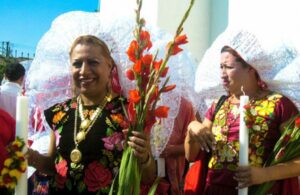
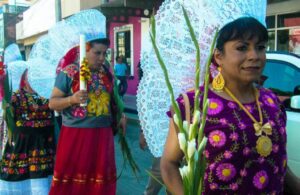
—Las velas son fiestas patronales que existen desde siempre. Son fiestas de la reciprocidad. En Juchitán las fiestas patronales pasan por el estilo de vida y además es un espacio que permite la cohesión de grupos frente a otros grupos de la comunidad. En mayo tienes alrededor de 20 velas, a cada fiesta acuden 7.000 personas. Una vela gira en torno al totemismo prehispánico: está la vela de los pescadores, de los orfebres, de los que producen dulces. Cuando empieza la conquista, con el sincretismo se transforman en la vela de la santa cruz de los pescadores, de la santa cruz de los orfebres y así. Son fiestas con música, baile, comida y bebida que duran toda la noche. Y las velas de las muxes empezaron gracias a las Auténticas Intrépidas Buscadoras del Peligro. Este grupo de activistas comenzó en 1975 a organizar reuniones íntimas. Ahora van miles de personas y también se realizan en el DF.
Somos Presentes
Apostamos a un periodismo capaz de adentrarse en los territorios y la investigación exhaustiva, aliado a nuevas tecnologías y formatos narrativos. Queremos que lxs protagonistas, sus historias y sus luchas, estén presentes.
APOYANOS

SEGUINOS
Notas relacionadas


Estamos Presentes
Esta y otras historias no suelen estar en la agenda mediática. Entre todes podemos hacerlas presentes.